
Structured recreational activities are organized leisure programs—such as sports leagues, cooking classes, or guided outdoor adventures—that operate with clear goals, rules, and schedules. For adults with Intellectual and Developmental Disabilities (IDD), these activities provide a predictable framework that lowers social anxiety, making it easier to develop and maintain skills and form genuine connections with peers and community. 

Why Structured Recreational Activities Matter for Belonging 

For many adults with IDD, unstructured social settings can be overwhelming. Without a clear “script” or activity to focus on, the pressure to make conversation can lead to anxiety and isolation. Structured recreational activities solve this by shifting the focus from “how do I act?” to “how do I enjoy the game?” 

When an activity has a defined beginning, middle, and end, participants know exactly what is expected of them. This structure creates a “level playing field” where everyone follows the same rules. It frees up mental energy, allowing individuals to relax and interact naturally. Research shows that this type of shared engagement—working together on a recipe or cheering for a teammate—is one of the most effective ways to foster a true sense of belonging. 

3 Structured Recreational Activities Examples for Adults with IDD 

If you are looking for ways to get involved or support a loved one, here are three specific structured recreational activities examples that go beyond simple entertainment to build real community. 

1. Skill-Based Outdoor Adventures 

Nature offers a calming environment, but adding a skill-based structure turns a simple walk into a bonding experience. Activities like fly fishing or adaptive hiking require focus and patience, creating a natural rhythm for socialization that doesn’t rely on constant talking. 

  • In Action: We partner with groups like Boon Fly Fishing to offer outings where participants learn to cast, manage lines, and catch fish. The shared goal of catching a fish creates immediate camaraderie and shared success. 

2. Culinary & Creative Arts 

Creating something with your hands provides a tangible sense of accomplishment. In a structured setting, complex tasks are broken down into manageable steps, allowing everyone to contribute regardless of ability level. 

  • In Action: Our Cooking Classes act as a team sport. The recipe provides the structure (Step 1: Chop, Step 2: Stir), which guides the group interaction. Participants bond over the process of creating a meal and the reward of eating it together. 

3. Community Outings and Social Events 

Even leisure activities benefit from structure. Events like bowling, movies, or karaoke provide a built-in “social script” like cheering for a strike, clapping after a song, or discussing a film plot—that creates safe boundaries for interaction. 

  • In Action: Community outings to places like the Wings Over the Rockies Museum or local movie theaters allow participants to practice social skills in the real world, supported by the safety net of a group and a planned itinerary.

The Hidden Health Benefits of Structured Recreation

Beyond social connection, structured recreational activities offer significant physical and cognitive health benefits. When an activity is consistent and goal-oriented, it engages the brain and body in unique ways that passive entertainment cannot match. 

Engaging in these activities regularly helps improve fine motor skills (like baiting a hook or painting), executive function (following rules or recipes), and emotional regulation (managing the excitement of a win or the frustration of a loss). By participating in a structured environment, individuals practice these vital life skills in real-time, leading to greater independence in other areas of daily life. 

Overcoming Barriers to Community Participation 

One of the biggest challenges for families is the fear of the unknown: Will the environment be accessible? Will the staff understand my needs? Structured programs are specifically designed to dismantle these barriers. 

In a structured recreational activity led by professionals, the environment is controlled and adapted. Whether it is ensuring wheelchair accessibility at a bowling alley or providing sensory-friendly options at a movie theater, the “structure” includes the safety and comfort of the participants. This predictability allows individuals who might otherwise stay home to venture out with confidence, knowing that support is built into the plan. 

The Role of Direct Support Professionals (DSPs) 

Successful recreation often relies on the people guiding it. In our programs, Direct Support Professionals (DSPs) and Recreation Specialist are facilitators of fun and friendship. 

DSPs are trained to recognize when a participant is overwhelmed and can step in to adjust the activity. They also model positive social interactions, demonstrating how to take turns, offer encouragement, or ask for help. This human element of structure ensures that the activity remains a positive, growth-oriented experience, rather than just a task to be completed. 

The DDRC Approach to Therapeutic Recreation 

At DDRC, our Therapeutic Recreation (TR) programs are designed to do more than just fill the calendar. We intentionally select activities that build competence, self-esteem, and provide choice and opportunities.  

Whether it is a painting class or a bowling league, our approach focuses on inclusive recreation. We ensure that every activity is accessible and that every participant has a role. By removing the physical and social barriers to entry, we create an environment where friendships can grow organically through shared experiences and mutual support. 

Upcoming February 2026 Events & Registration 

Ready to join in? Our Therapeutic Recreation team has a full calendar of structured recreational activities planned for this month. These events are a perfect way to try something new in a supportive group setting. 

  • Karaoke Night: Tuesday, Feb. 24 
  • Movie at Belmar (Lakewood): Wednesday, Feb. 25 
  • Wings Over the Rockies Museum: Friday, Feb. 27 

Note: Registration is required in advance for all TR activities.

Get Involved with Organized Therapeutic Recreation at DDRC 

Organized structured recreation is a powerful tool for combating isolation and building a vibrant life. If you or a loved one are interested in joining our upcoming events, we would love to have you. 

To register for an activity or learn more about our programs, please contact our Therapeutic Recreation team at Recreation@ddrcco.com or call 720-544-8150. Contact us here anytime.  
As we continue our work into 2026, we are reminded that none of this would be possible without the incredible people who stand beside DDRC every day. This month’s community update highlights the expanded IDD services Colorado families can access statewide, meaningful opportunities through Customized Employment, exciting recreation outings, important Medicaid updates, and upcoming resource fairs. 

Thank you for being part of a community that believes in inclusion, opportunity, and support for people with intellectual and developmental disabilities. 

Thank You to Our Donors for Strengthening IDD Services Across Colorado 

Can we ever thank you enough? To our incredible donors, volunteers, and supporters, thank you, thank you! As we continue our work and implement plans for 2026, it becomes so clear that YOU make this possible. 

We are deeply grateful for your commitment to helping us make a difference in the lives of people with intellectual and developmental disabilities. Your generosity strengthens programs, expands services, and ensures our community continues to grow more inclusive each day. 

Remembering Howard Mai’s Lasting Impact on DDRC Colorado 

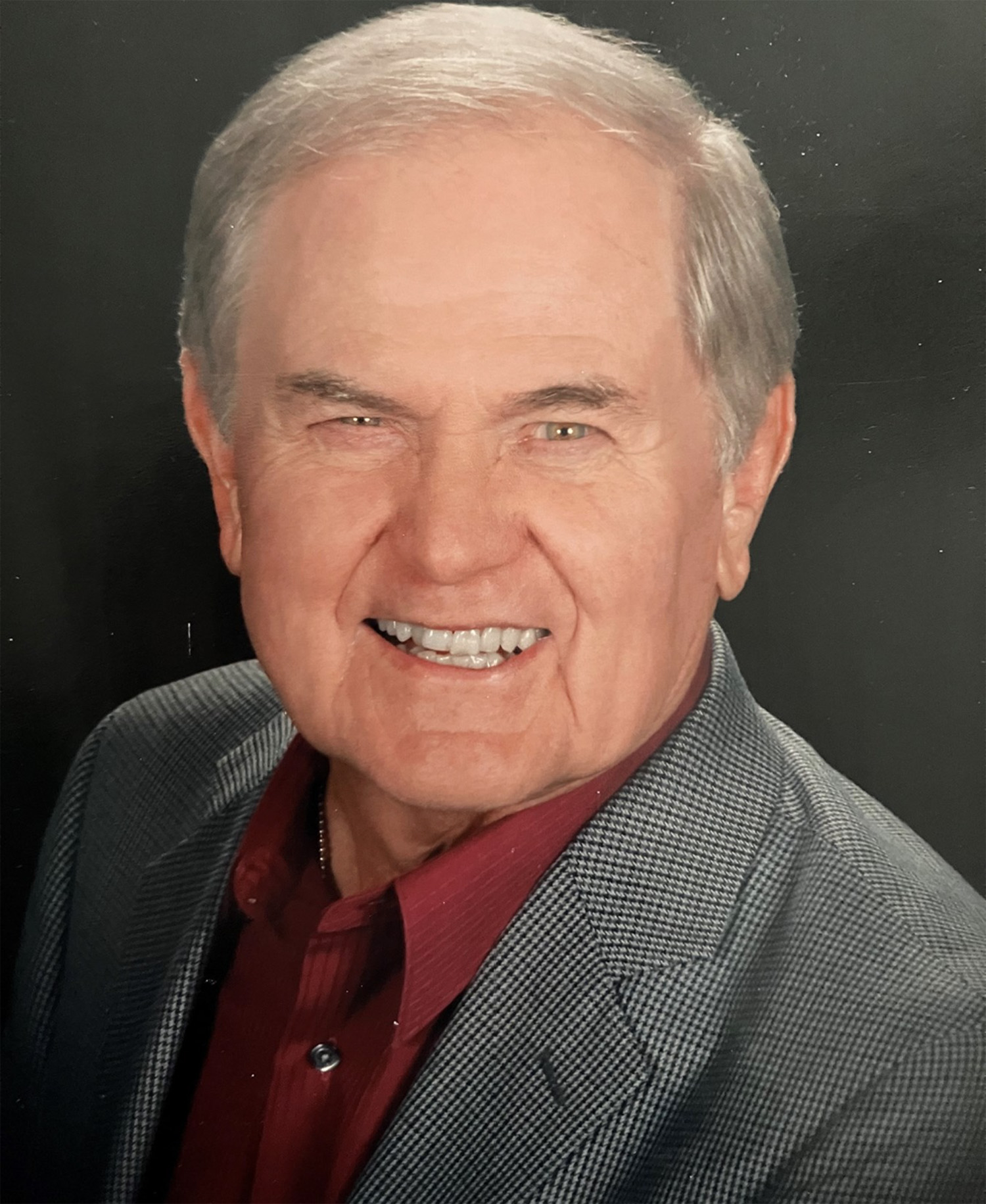
Our DDRC community has lost a long-time friend and quiet leader with the passing of Howard Lee Mai on January 19, 2026. We honor Howard’s life and service as a devoted advocate, board member, and longtime supporter whose leadership helped shape DDRC’s mission. 

Inspired by his beloved daughter Janet, Howard viewed developmental disabilities not as limitations but as opportunities to serve with respect, patience, and compassion. He served with distinction on the Boards of the Jefferson County Community Center for Developmental Disabilities (DDRC), the Developmental Disabilities Foundation, and also served on the Colorado Governor’s Developmental Disabilities Council from 1978 to 1983. 

Howard’s commitment was deeply personal. Together with his wife of 74 years, Charlotte, Howard was a generous financial supporter of DDRC and many causes close to their hearts. In later years, the extended Mai family established the Mai Family Trust and launched a matching-gift campaign to inspire others to support DDRC’s work. 

We are grateful for our time and connection with Howard and the Mai family. Learn more about Howard Mai and the legacy he leaves behind. 

Expanded IDD Services Colorado 

Did you know that DDRC now offers our waiver services to individuals and families all across the state? That’s right, from the border with Wyoming to the border with New Mexico, we can help you, a loved one, or someone you know. 

If you’re looking for support or wondering where to begin, visit How to Access Services to learn more about eligibility and next steps. 

Become a Paid Family Caregiver 

Maybe you are caring for someone with intellectual or developmental disabilities and didn’t know that you can be paid for those efforts as a “family caregiver.” DDRC works with family caregivers to ensure they are compensated for the crucial caregiving they provide. 

If someone you know could benefit from the family caregiver program, they can learn more by submitting a Contact Us form through DDRC. 

Customized Employment: Employment Built Around You 

Have you or someone you know wanted to work but struggled to find the right job fit? For some people with intellectual and developmental disabilities, traditional job searches don’t always lead to success, especially when standard applications don’t reflect what someone truly can do. That’s where DDRC can help. 

DDRC offers customized employment and a personalized approach to finding meaningful work. Instead of asking someone to fit into a pre-existing job, customized employment starts with the individual’s strengths, interests, and abilities. Our certified employment specialists partner directly with employers to match a person’s skills with real business needs that aren’t typically advertised online. 

Customized employment is built on the belief that everyone can work. It’s designed to help people with significant disabilities find inclusive employment and earn fair wages, often where traditional job development methods haven’t worked. 

If you’re ready to explore a different path to employment—one that focuses on what is possible, DDRC is here to help. Contact employmentfirst@ddrcco.com for more information. 

DDRC Staff Shine Through NADSP E-Badge Achievements

We are proud to celebrate the dedication and accomplishments of our outstanding DDRC staff who recently completed a series of classes and training through the National Alliance of Direct Support Professionals (NADSP) E-Badge Academy. 

NADSP is a national organization committed to advancing best practices, person-centered approaches, ethics, and professional excellence among Direct Support Professionals and Front Line Supervisors, the backbone of high-quality service delivery. 

Staff in DDRC’s Adult Vocational Services (AVS) went above and beyond, earning their badges while continuing to meet the demands of their daily responsibilities. We commend the following team members for their hard work and commitment to professional growth: 

  • DSP-1 E-Badge: Pilar Puentes, Van Pham, Lorraine Martinez 
  • DSP-2 E-Badge: Beth Roberts, Marc Lagae 
  • DSP-3 (Final) E-Badge: Amanda Romero, Melissa DePriest 

DDRC’s participation in the NADSP E-Badge Academy and the impressive achievements of these staff members reflect our ongoing commitment to excellence and the high quality of services we provide to the individuals and families we serve. 

Fun Awaits: Outings with DDRC Therapeutic Recreation 

What do Karaoke night, a movie at Belmar (Lakewood), and a visit to Wings Over the Rockies have in common? They are all activities offered to participants who want to join in the fun of our DDRC Therapeutic Recreation (TR) activities this February. 

These particular activities are planned for Feb. 24, Feb. 25, and Feb. 27, respectively, but hurry, as participants need to register with TR well in advance! 

These are just a few examples of activities participants can choose from, with a different selection each month. If you aren’t already connected with our TR program, contact them at Recreation@ddrcco.com or call 720-544-8150, Tuesday –Friday, 9:00 am-4:00 pm, for more information. 

Medicaid Update Webinar on Feb. 24 

The Colorado Department of Health Care Policy & Financing (HCPF) invites you to join a free informational webinar on February 24, from 9–11 a.m., covering the implementation of H.R. 1 (formerly the One Big Beautiful Bill Act). 

This webinar will provide: 

  • The latest Centers for Medicaid Services (CMS) guidance and implementation timeline 
  • Key policy changes, including semi-annual renewals and community engagement/work requirements 
  • Ways for stakeholders to stay engaged throughout the process 
  • Medicaid-covered services 
  • State budget challenges and program sustainability 
  • Provider fees, payments, and tax provisions 
  • Preventing coverage losses 

Register Here 

Out in the Community: DDRC at Resource Fairs

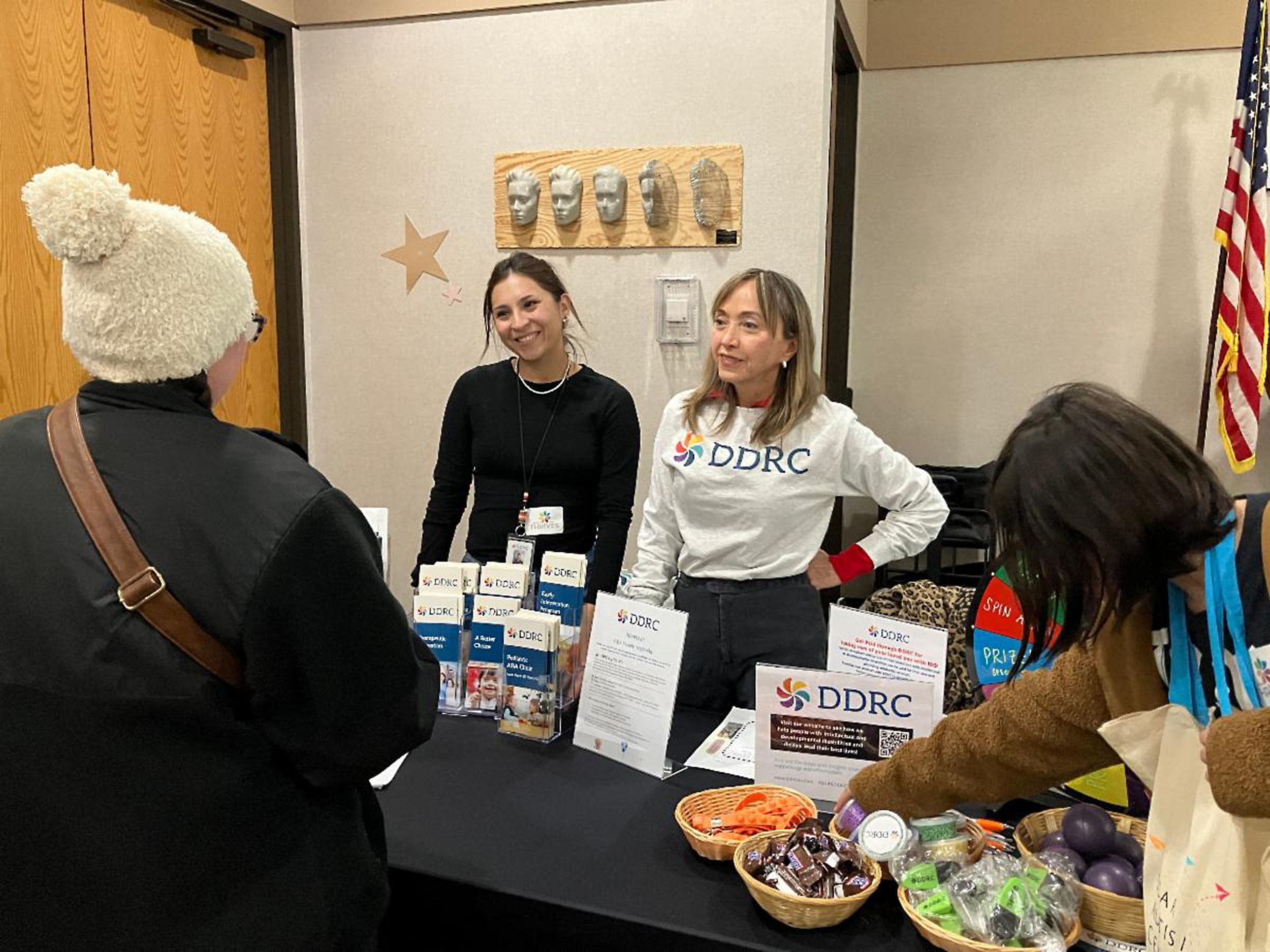
DDRC enjoyed connecting with many families and individuals at the Next Steps Neurodiversity Expo in north Boulder County on January 25. The event was especially exciting as Dr. Temple Grandin was a featured speaker. 

The following day, January 26, DDRC participated in the Jeffco Public Schools Special Education Resource Fair, an annual, well-attended event. It was a wonderful opportunity to connect with families, Jeffco Schools staff, and other community providers to share about DDRC’s services and explore opportunities for collaboration. 

If you are part of a group that organizes a resource fair for people with intellectual and developmental disabilities and are seeking partners to participate, please contact us. 

Life After High School Starts Here: Visit DDRC at the DCSD Transition Fair 

DDRC will participate in an upcoming resource fair in Lone Tree for high school students in special education and transition programs in Douglas County Schools. This event helps students and families explore options and plan for life after high school, and DDRC has a wide range of programs to support that journey. 

Thinking about employment? Interested in a meaningful Day Program? Looking for residential options? Need support navigating challenging situations? If so, our Behavioral Health Clinic and other services are here to help. We also provide services for students with intellectual and developmental disabilities before they transition from high school. 

The event is open to Douglas County School District (DCSD) families and community members and is hosted by the DCSD Bridge Transition Agency.  

Event Details 

  • Thursday, February 19, 2026 from 5:30- 7:00 p.m. 
  • DCSD Legacy Campus Ballroom 
  • 10035 S. Peoria St., Lone Tree, CO 80134 

Questions? Contact Jennifer.Hutchings@dcsdk12.org prior to the event day. 

Want to Be Part of the IDD Community? Contact Us Today 

Whether you are exploring services, seeking employment supports, looking to connect through recreation, or simply wanting to learn more about DDRC, we are here for you. 

Our community is strongest when we stay connected, and we welcome you to reach out, get involved, and be part of a future where everyone belongs.