
Independence looks different for everyone. For one person, it might mean navigating the bus system to get to work; for another, it might mean choosing their own clothes or making a simple meal. Regardless of the scale, the goal is always the same: living the most autonomous, self-determined life possible. 

For caregivers and family members, finding the right activities for fostering independence in adults with intellectual and developmental disabilities is key to unlocking this potential. It isn’t about throwing someone into the deep end; it is about building a scaffold of skills that supports them as they climb higher. In this guide, we will explore practical, engaging ways to build life skills, financial literacy, and community confidence. 

Why Fostering Independence in Adults with Intellectual and Developmental Disabilities Matters 

Fostering independence is about more than just reducing reliance on caregivers—it is a fundamental human right that directly impacts health and happiness. 

When individuals with Intellectual and Developmental Disabilities (IDD) are given the tools to make their own choices and handle their own needs, their self-esteem skyrockets. It shifts the narrative from “I need help” to “I can do this.” 

Did You Know? Research consistently shows a direct link between self-determination and quality of life. According to studies on self-determination theory, adults with disabilities who exercise more control over their daily choices report significantly higher levels of happiness, life satisfaction, and community participation compared to those with limited autonomy. 

5 Types of Activities that Foster Independence in Adults with IDD  

The best approach to building independence is breaking complex tasks down into manageable, repeatable activities. Here are five key areas to focus on, along with specific activities for fostering independence in adults with IDD. 

1. Daily Living Skills: Independence Starts at Home 

IDD person watering green gardfen

The home is the first training ground for autonomy. Mastering the environment where you sleep and eat provides a secure foundation for venturing out into the world. 

1.1 Culinary Confidence 

Cooking is a master skill—it involves planning, fine motor skills, safety awareness, and nutrition. 

  • The “No-Heat” Challenge: Start with recipes that require no stove, like making a sandwich or a salad. This builds confidence in food preparation without the immediate anxiety of heat safety. 
  • Visual Recipe Cards: Use step-by-step visual guides rather than text-heavy cookbooks. 
  • Adaptive Tools: Introduce jar openers, cut-resistant gloves, or rocker knives to make the physical act of cooking accessible. 
  • Get Professional Support: Sometimes, learning in a group setting is more fun. Check out our cooking classes for adults with IDD to see how peer support can turn meal prep into a social event. 

1.2 Household Management 

Maintaining a space creates a sense of ownership. 

  • Laundry Sorting Game: Turn laundry into a matching game. Sorting whites from colors or matching socks is an excellent activity for attentional control (or organization) and visual discrimination. 
  • The Visual Chore Chart: Use a Velcro chart where the individual can physically move a task from “To Do” to “Done.” The physical action of marking a task complete provides a dopamine hit that reinforces the habit. 

2. Inclusive Recreation & Leisure
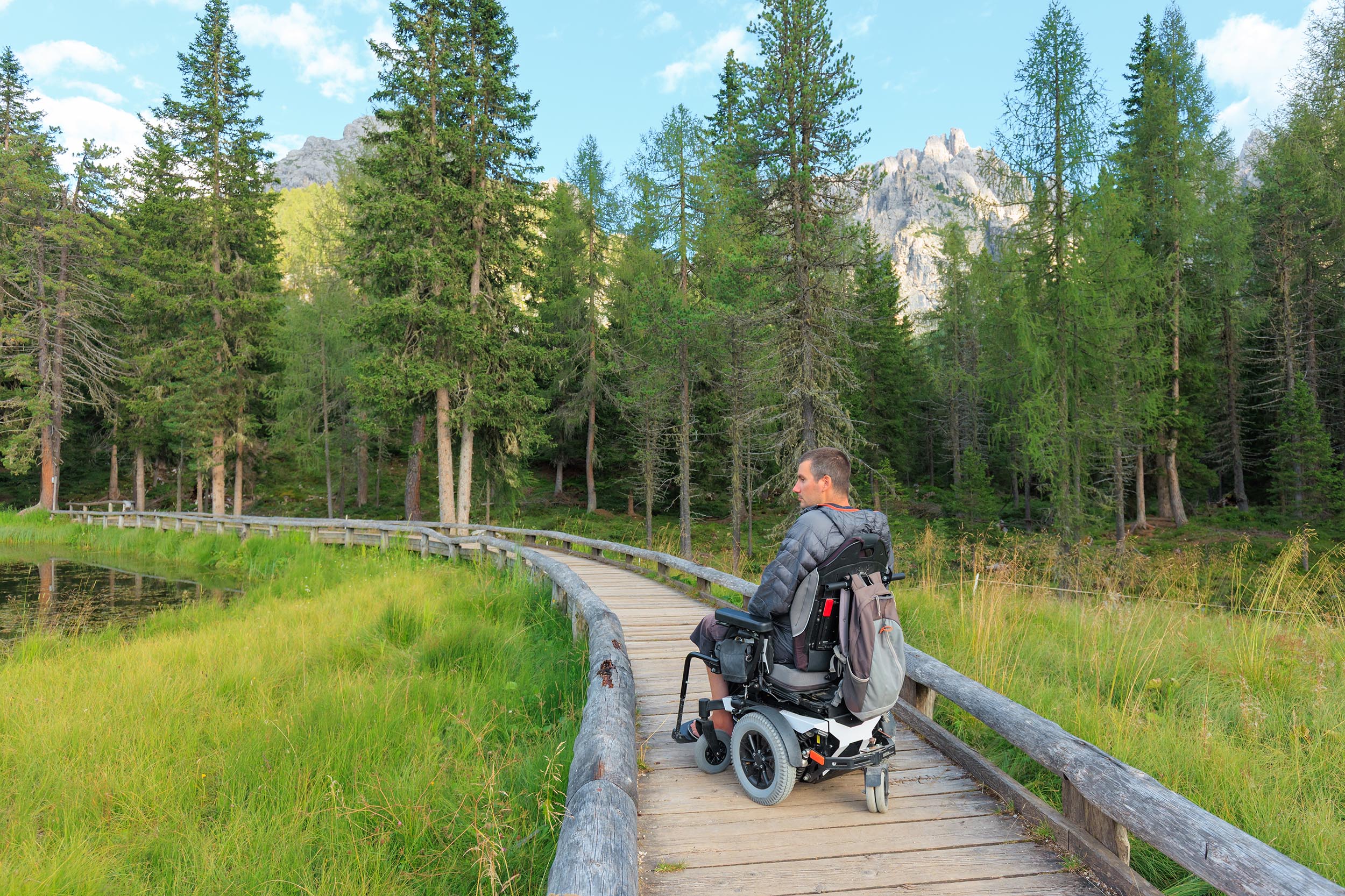
Leisure isn’t just about “killing time”; it is about building identity, mastering skills, and discovering personal passions. 

2.1 Structured Outdoor Skills 

Activities that require focus, patience, and fine motor coordination are incredible for building self-efficacy. 

  • Fly Fishing: This is a perfect example of a high-independence activity. It teaches patience, rhythm, and listening skills. Our recent outing with Boon Fly Fishing was a powerful testament to this—participants learned to cast lines, handle equipment, and engage with nature independently. The pride on a participant’s face when they master a cast is the very definition of independence. 
  • Colorado Parks as Classrooms: Colorado is uniquely suited for this growth. Many Colorado State Parks now offer inclusive activities and adaptive equipment, such as track chairs and accessible fishing piers. These resources ensure that our participants can move from a passive role (watching nature) to an active role (participating in it), proving that the outdoors belongs to everyone. 

3. Community Integrated Activities 

Being part of the community means knowing how to navigate it. Community integrated activities help bridge the gap between home and the outside world.

3.1 Travel Training & Navigation 

Transportation is often the biggest barrier to employment and socialization. 

  • Route Scavenger Hunt: Pick a favorite destination, like a coffee shop or a park. Have the individual plan the route using a map or a ride-share app. 
  • The “Landmark” Game: While riding as a passenger, ask the individual to identify key landmarks (“Turn left at the big red sign”). This builds situational awareness, a critical skill for independent travel. 

3.2 Grocery Shopping & Errand Running 

Errands are complex tasks involving lists, navigation, and social interaction. 

  • The “List Challenge”: Provide a list of 5 specific items (with photos if needed) and the challenge to find the items in the aisles independently while building self-confidence.
  • Self-Checkout Training: Practice using self-checkout lanes, which can be less socially demanding than face-to-face cashier interactions, allowing the individual to move at their own pace.

4. Financial Literacy Activities

job coaching for disability

Money management is often cited as one of the hardest independent living skills for adults with disabilities to master, but it is essential for safety and freedom. 

4.1 Budgeting Basics 

Abstract numbers can be confusing, so make budgeting tangible. 

  • The Envelope Method: Use physical envelopes labeled “Rent,” “Fun,” and “Groceries.” Keeping score with the envelopes helps visualize where money goes. 
  • Needs vs. Wants: Create a collage activity using grocery store flyers. Cut out items and paste them into two columns: “Things I Need to Survive” and “Things I Want for Fun.” 

4.2 The “Transaction” Game 

Anxiety at the register can be daunting so practice at home first. 

  • Mock Store: Set up a “store” in the living room using pantry items. Practice the entire interaction: greeting the cashier, handing over money, waiting for change, and asking for a receipt. 
  • Counting: Practice the skill of “dollar up” (if an item costs $4.50, hand over $5.00) to simplify transactions. 

5. Social Skills and Self-Advocacy

IDD adult at her place of employment from a adult programs

Independence isn’t just about doing tasks; it’s about advocating for your needs and interacting with others. 

5.1 Role-Playing Scenarios 

Social scripts can be a great tool for increasing independence with social interactions. 

  • “Ordering Out”: Role-play ordering a meal at a restaurant, including asking for modifications (e.g., “No onions, please”). This can also be modified to assist someone with role playing skills they want to learn to advocate for themselves in specific circumstances such as shopping, doctor visits or when trying to learn how to handle their own resources. 
  • Setting Boundaries: Practice saying “No” to a request from both known people and strangers as these are vital advocacy and safety skills. 

5.2 Volunteering & Employment 

There is no better way to learn responsibility than having a job or a volunteer role. 

  • Job Shadowing: Even a few hours of volunteering can teach punctuality, dress code, and teamwork. 

How DDRC Supports Independent Living 

At the Developmental Disabilities Resource Center (DDRC), we believe that independence is a journey, not a destination. We offer a continuum of support designed to meet people where they are. 

Our Independent Living Services are designed for individuals who live in their own homes or apartments but need intermittent support to maintain that lifestyle. We assist with: 

  • Navigating housing vouchers and leases. 
  • Mastering medical appointments and medication management. 
  • Building community connections. 

For those seeking work, our employment support teams provide the training and advocacy needed to secure and keep meaningful jobs. We don’t just find you a job; we help you build a career that fosters true independence. 

Find Activities to Foster Independence for Adults with IDD Today 

Fostering independence requires patience, creativity, and the right support system. By integrating these activities for fostering independence in adults with developmental disabilities into your daily routine, you are doing more than teaching a skill—you are opening doors to a larger life. 

Whether it is casting a fly-fishing line for the first time, landing a first job, or simply taking the bus to meet a friend, every step forward is a victory worth celebrating. 

Ready to explore more options? Contact DDRC today to learn how our programs can support your journey toward independence. 
As we start a new year, DDRC in Jefferson County, Colorado is excited to share January updates that highlight the strength of our community and how supporting each other makes a real difference for people with IDD. From upcoming events and new programs to moments of celebration and generosity, this month reminds us of the meaningful connections that help individuals and families thrive. 

Strengthening Community Support for People with IDD in January 

January is a time for reflection and renewed commitment. Across our programs and partnerships, DDRC continues to expand access, build relationships, and ensure that individuals with intellectual and developmental disabilities feel supported, valued, and included. The updates below highlight how collaboration and community engagement remain at the heart of our mission. 

Connecting Families Through Community Resource Fairs 

This month, DDRC will participate in two upcoming community resource fairs to connect individuals and families with helpful information and local supports. These events provide opportunities to meet DDRC staff, learn about available IDD services, and engage with community partners offering valuable resources. 

Resource fairs are an important way to strengthen connections and ensure families have access to the information they need to navigate services with confidence.

Expanding IDD Services with a New Group Respite Program 

We are excited to introduce a new group respite program for families whose children receive CES Waiver services. This program offers participants a safe, engaging environment while providing caregivers with additional flexibility and support. 

Families interested in learning more or discussing whether this program is a good fit are encouraged to contact Eric Koch directly. You can reach Eric at Eric.Koch@ddrcco.com or by phone at 303-233-3363 to talk through your child’s needs or to share your contact information. Space will be limited, and early outreach is encouraged.

Looking Ahead: Continuing Community Support in 2026 

As we move further into 2026, DDRC remains focused on creating opportunities for connection, growth, and independence. Whether through programs, events, or partnerships, we look forward to continuing our work alongside individuals, families, and community partners who make our mission possible. 

Celebrating the Season with Our Community

The end of the year brought moments of joy, generosity, and togetherness that we were grateful to share with our community. 

A Jingle Bell Holiday at Six and Forty Brewery 

Community members gathered for a festive Jingle Bell celebration at 6 and 40 Brewery, enjoying seasonal cheer and connection in a welcoming space. Events like this highlight the power of community partnerships in creating inclusive, joyful experiences. 

Holiday Spirit with Pietra’s Pizza 

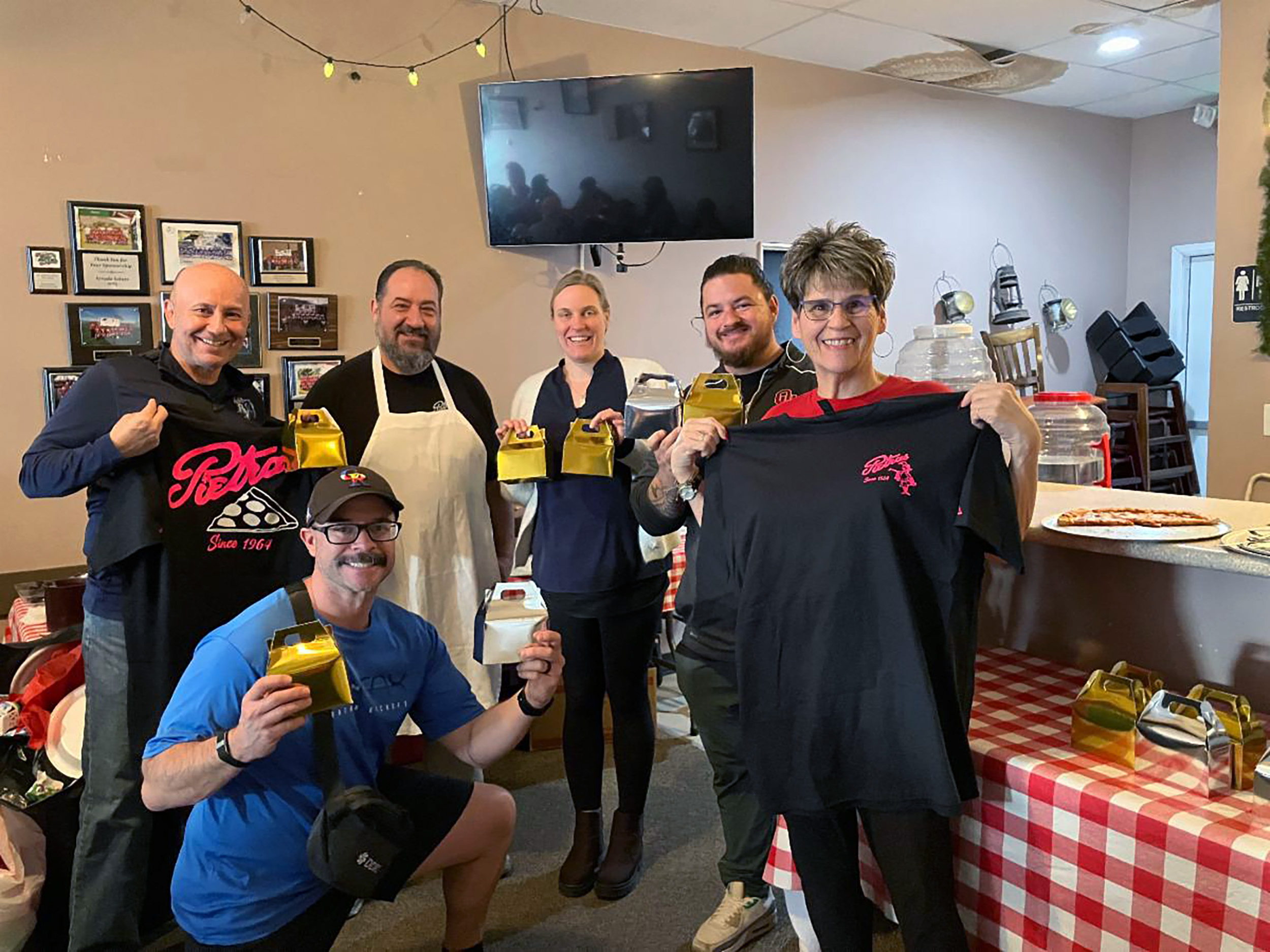
We also enjoyed celebrating the holidays with Pietra’s Pizza and Italian Restaurant, whose generosity and community spirit helped make the season extra special. Local partnerships like these play an important role in supporting meaningful moments for individuals and families. 

We are also very thankful for the generosity during the giving season. Support from the Mai Family Trust, the matching gift, and Colorado Gives Day helped advance our mission and strengthen community support for people with IDD. 

Want to Be a Part of the IDD Community? Contact Us Today 

There are many ways to stay connected with DDRC Colorado, from attending events and exploring services to supporting our work or receiving updates. 

To stay informed about upcoming programs and community news, sign up for our newsletter or reach out to learn more about how DDRC can support you or your family.

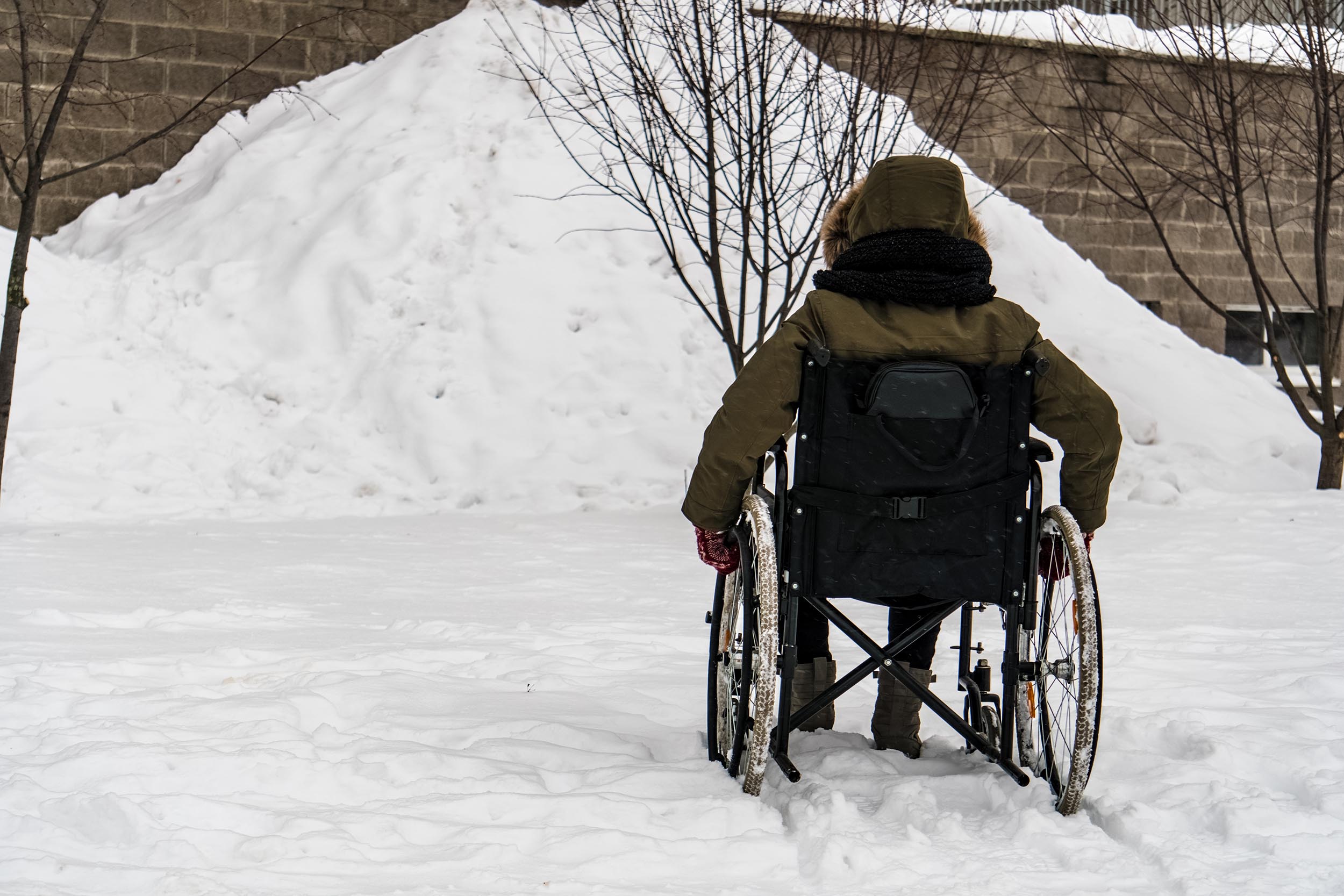
Colorado winters are famous for their beauty, but for those individuals with Intellectual and Developmental Disabilities (IDD) who use wheelchairs, fresh powder often brings a unique set of obstacles. While a snowy day might mean “ski trip” for some, for wheelchair users, it often means navigating icy curb cuts, managing equipment failure risks, and handling significant sensory challenges. 

From slippery sidewalks  to the deep freezes in the foothills, winter requires a solid game plan. This guide goes beyond basic mechanics to address the human side of winter mobility. This winter wheelchair prep guide will help you master the season safely and confidently. 

Pop out: Please Note: The following tips are suggested measures based on community experience. DDRC is a resource center, not a certified wheelchair safety organization. Every mobility device is different, and improper modifications can sometimes void warranties. Always consult your specific wheelchair manufacturer’s manual or your Assistive Technology Professional (ATP) before making changes to your equipment. 

Why is a Proper Winter Wheelchair Care and Maintenance Important for Those Who Use a Wheelchair? 

Winterizing isn’t just about tires and batteries; it is a critical matter of health, safety, and emotional regulation. For many in our community, a mechanical breakdown or a cold outing isn’t just an inconvenience—it can be a major barrier to well-being and inclusive recreation

Sensory Regulation and Autism 

For individuals with Autism Spectrum Disorder (ASD) or Sensory Processing Disorder (SPD), the sensation of being cold, wet, or stuck in slush can be highly dysregulating. The physical discomfort of damp clothes or the jarring vibration of wheels slipping on ice can quickly escalate into a sensory meltdown. For those individuals who use a wheelchair that is prepared for the winter elements minimizes these negative inputs, helping to maintain a calm and positive experience outdoors. 

Muscle Tone and Cerebral Palsy 

Cold weather can have a direct physical impact on individuals with Cerebral Palsy (CP). Low temperatures often increase spasticity (muscle tightness), making movement more difficult and painful. This makes proper winter gear essential—if a user isn’t adequately insulated against the cold, the resulting muscle tension can make operating a joystick or maintaining posture significantly harder. Additionally, a well-maintained wheelchair ensures that the equipment responds smoothly to these more difficult movements, preserving independence just when it is needed most.  

Circulation and Down Syndrome 

Many individuals with Down Syndrome experience poorer circulation in their extremities. This makes them more susceptible to frostnip or frostbite, often before they even realize they are cold. A well-prepared wheelchair includes specific gear to protect these vulnerable areas. . 

Choosing the Right Winter Wheelchair Tires and Traction Gear

Standard wheelchair tires are often smooth (“slicks”), designed for low rolling resistance on linoleum or pavement. On Colorado ice, however, these act like sleds. To turn your mobility device into a safe winter wheelchair, traction is the first line of defense. 

The “Knobby Tire” Upgrade 

The most effective upgrade is swapping standard tires for knobby tires. Much like mountain bike tires, these have deep treads that bite into snow and slush to provide essential grip. This is particularly important for preventing “fishtailing” and sliding on sloped sidewalks, which can be terrifying for anyone who uses a wheelchair. 

Instant Traction Solutions 

If changing tires permanently isn’t an option—perhaps the user finds knobby tires too bumpy for indoor use—look for products like ReTyre or “snow skins.” These are modular skins that zip over your existing wheels to add instant traction without a trip to the mechanic. 

A Note on Manual Chairs  

For manual wheelchair users, the small front casters can easily get stuck in deep slush, creating a “pizza cutter” effect that halts the chair instantly. For those who use a manual wheelchair this can create undue anxiety.   

  • Caregiver Tip: If safe to do so, help the user pop a slight “wheelie” or tilt the chair back to keep the front wheels up while crossing unplowed patches. This keeps the momentum going and reduces anxiety. 

The “Cold Zap”: Protecting Your Battery and Communication 

Did you know that freezing temperatures can reduce a wheelchair battery’s range by up to 50%? The cold slows down the chemical reactions inside the battery, leading to the dreaded “cold zap.” 

This is a significant safety issue, particularly for  those individuals who rely on their power chair for total independence. If a battery dies in the cold, the user may be unable access their independence and to move to warmth.  

Best Practices for Battery Care 

  • The “Every Night” Rule: Make charging a non-negotiable part of the nightly routine. Plug the chair in every single night, even if the gauge reads full. This can be a great routine-building exercise for those in Supported Living Services working on daily living skills. 
  • Insulation: If the chair is stored in a garage, try to bring the batteries inside or throw a heavy blanket over the battery casing to keep them warm. 
  • Lithium Warning: Never charge a lithium battery if it is physically frozen (below 32°F). This can permanently damage the cells. Always let the battery warm up to room temperature inside before plugging it in. 

{Pop out: Manufacturer Compliance: Important: Always refer to your specific owner’s manual for charging instructions. Lithium batteries can be volatile if mishandled, so strict adherence to your manufacturer’s recommendations regarding temperature, chargers, and maintenance is essential for safety.} 

Manufacturer Compliance:

Important: Always refer to your specific owner’s manual for charging instructions. Lithium batteries can be volatile if mishandled, so strict adherence to your manufacturer’s recommendations regarding temperature, chargers, and maintenance is essential for safety.

Winter Wheelchair Maintenance: Cleaning Off Mag Chloride 

Colorado uses Magnesium Chloride (“Mag Chloride”) to melt ice clear the roads. While effective for cars, it is sticky, corrosive, and a nightmare for assistive technology including wheelchairs. If Mag Chloride gets into the joystick or motors, it can cause erratic behavior or sudden stops—which can be frightening and dangerous. 

The Vinegar Hack 

Plain water often isn’t enough to cut through this grime. Some manufacturers recommend mixing a solution of 50% water and 50% white vinegar in a spray bottle. Mist the tires and frame after every outing and wipe them down. The vinegar neutralizes the salts and protects the sensitive electronics.   

Sensory Considerations 

The smell of vinegar can be strong and pungent for some individuals with sensory sensitivities and the smell might be aversive. 

  • Modification: Perform this cleaning in a garage or separate room or visit a hardware store to find unscented salt-neutralizing sprays.  

Dressing for the Season: Adaptive Clothing & Accessories

It is important to remember that sitting still generates very little body heat. A wheelchair user will feel much colder, much faster. It is incredibly important to dress appropriately for the weather conditions, like always in Colorado.   

The Wheelchair Poncho 

Standard coats can be bulky, and zippers can be difficult to manipulate. A specialized winter wheelchair poncho is often a better solution. These are designed to be shorter in the back (so they don’t get caught in the wheels) and longer in the front to cover the legs like a warm blanket. This ease of use is ideal for most who use a wheelchair.   

Protecting Extremities 

  • Hands: For manual users, wet push-rims lead to freezing hands instantly. Waterproof gloves are essential. 
  • For Power Chair Users: Consider “pogies”—insulated mitts that attach directly to the joystick. This allows the user to keep their hands warm without losing the tactile feel of the controller. This is vital for users with Cerebral Palsy or other conditions affecting muscle tone, as cold hands can lead to slower reaction times on the joystick. 
  • Feet: Because circulation is often poorer in the legs for those with Down Syndrome or limited mobility, insulated, waterproof boots are non-negotiable to prevent frostbite. 

Need help funding adaptive clothing or gear? Our Community Funded Programs may be able to point you in the right direction. 

Visibility and Emergency Prep 

Winter days are short, and visibility is often low due to snow and grey skies. Being seated puts a wheelchair user below the eye level of drivers, especially when snowbanks pile up on curbs. This poses a significant risk for any individual who may be navigating the challenges winter may bring in Colorado in a wheelchair.   

Be Seen, Be Safe 

  • Lighting: Light up the chair with LED bike lights; flashing lights catch a driver’s eye better than solid ones. 
  • The Flag: Attach a tall, high-visibility orange flag to the frame. This ensures that even if the user is hidden behind a snow mound at a crosswalk, drivers can spot them. 

The “Stuck Kit” 

Prepare a simple backpack containing chemical hand warmers, a laminated card with emergency contacts, and a bottle of water. This small step adds a layer of safety if a pickup is delayed or a path is blocked. For families, creating this kit together can be a valuable activity to discuss safety planning. 

Navigating Colorado Weather Safely 

For some individuals with IDD who may use a wheelchair, winter requires extra planning support to avoid getting into unsafe situations.   

Planning the Route 

Before leaving the house, check online “plow maps” (available for many cities like Lakewood and Denver) to see which areas  are prioritized for clearing. When choosing a route, stick to south-facing sidewalks whenever possible, as the sun will melt the ice on these paths much faster than on the north side. 

The “Wait Rule” 

Reinforce the “Wait Rule”: which is the concept that if a path looks covered in deep snow or ice, it is okay to wait for a ride or turn back. It is always better to be safe than stuck! 

Need Support Getting Your Wheelchair Winter-Ready?   

Navigating the seasons shouldn’t be a solo journey.  

Contact DDRC today to speak with our team about how we can support you or your loved one in living a full, independent life year-round.