
For families navigating the complexities of developmental differences or suspected delays, the path forward often begins with understanding. When concerns arise about a child’s development or an adult seeks clarity on lifelong challenges, a multidisciplinary evaluation stands as the most comprehensive and effective approach. It’s the gold standard for accurately identifying needs and crafting truly effective support plans. 

At DDRC (Developmental Disabilities Resource Center), we understand that embarking on an external evaluation can feel daunting. However, gaining a complete picture of an individual’s strengths and challenges is the critical first step towards unlocking appropriate services and fostering their fullest potential. This guide will walk you through what a clinic-based multidisciplinary evaluation entails, why it’s so important, what to expect, and how DDRC is here to support Colorado families every step of the way. 

What is a Clinic-Based Multidisciplinary Evaluation? 

Clinic-based Multidisciplinary Evaluations are different than the Multidisciplinary Assessments which occur in Early Intervention. At its core, a clinic-based multidisciplinary evaluation is a comprehensive assessment conducted by a collaborative team of professionals, each specializing in a different area of development or health, and is often determines whether a specific diagnosis is present or not. Unlike an assessment by a single specialist, which offers only one perspective, a multidisciplinary approach gathers insights from various angles to provide a holistic and nuanced understanding of an individual’s profile. This teamwork ensures that no single area is overlooked and that all contributing factors to developmental differences are considered.  

Who is on the Team? 

The specific composition of a clinic-based multidisciplinary team can vary based on the individual’s age, suspected conditions, and presenting concerns. However, common team members often include: 

  • Developmental Pediatrician or Child Neurologist: These medical specialists rule out underlying medical conditions, assess physical development, and provide a medical diagnosis for developmental disorders. 
  • Psychologist (Clinical or Neuropsychologist): Focuses on cognitive abilities, adaptive functioning (daily living skills), behavioral patterns, and social-emotional development. They often provide diagnoses for conditions like Autism Spectrum Disorder or intellectual disabilities. 
  • Speech-Language Pathologist: Evaluates communication skills, including expressive (speaking, gesturing), receptive (understanding), and social communication abilities. 
  • Occupational Therapist: Assesses fine motor skills, sensory processing (how the brain interprets sensory information), and daily living activities like dressing, feeding, and handwriting. 
  • Physical Therapist (if indicated): Reviews gross motor skills, mobility, balance, and coordination. 
  • Social Worker/Service Coordinator: Gathers family history, assesses psychosocial factors, and helps connect families to vital resources and support services post-evaluation. 
  • Educational Specialist (for school-aged children): Examines academic performance, learning styles, and provides recommendations for educational support and individualized education programs (IEPs). 

This collaborative model ensures that insights from each specialty are integrated, leading to a more complete and accurate diagnostic picture. 

Why is a Clinic-Based Multidisciplinary Evaluation So Important? 

A clinic-based multidisciplinary evaluation is not just an option; it’s often the most crucial step for several compelling reasons: 

Accuracy of Diagnosis:  

Complex developmental conditions often present with overlapping symptoms. A team approach allows for a more precise differential diagnosis, minimizing the risk of misdiagnosis or incomplete understanding. For example, some behaviors seen in autism can also be present in anxiety or ADHD, and a team can differentiate. 

Holistic Understanding of Strengths and Challenges:  

Beyond a simple diagnostic label, this evaluation provides a comprehensive profile of an individual’s cognitive, communication, social, motor, and adaptive skills. It identifies not only areas of difficulty but also unique strengths that can be leveraged in intervention. 

Tailored Intervention Plan:  

With a complete picture, the team can develop highly individualized and effective recommendations for therapies, educational strategies, and support services. This coordinated approach ensures that interventions are targeted precisely to an individual’s unique needs, preventing a fragmented approach to care. 

Access to Essential Services:  

A formal diagnosis and a detailed report from a multidisciplinary evaluation are frequently required to access critical IDD services in Colorado, specialized educational support (like an IEP), financial assistance, and waiver programs. Without this comprehensive documentation, families can face significant barriers to getting the help they need. 

Empowerment for Families:  

Receiving a clear diagnosis and a roadmap for support can alleviate much of the anxiety and uncertainty families experience. It empowers them with knowledge and tools to better understand their loved one, make informed decisions, and advocate effectively for their needs. 

What to Expect During a Clinic-Based Multidisciplinary Evaluation: The Process 

The process of a clinic-based multidisciplinary evaluation is thorough and designed to gather extensive information. While specific details may vary, here’s a general overview of what families can expect: 

  • Initial Intake and Referral: The process typically begins with a referral from a pediatrician, school, or a direct inquiry from a family. This involves an initial intake where detailed developmental history, current concerns, and relevant medical or educational records are gathered. 
  • The Evaluation Day(s): Depending on the complexity and the services being sought, the evaluation may occur over a single intensive day or across multiple sessions. During this time, professionals will conduct: 
  • Direct Observations: Observing the individual in various settings (e.g., play, structured tasks). 
  • Standardized Assessments: Using specific tests and tools tailored to different developmental domains (cognitive, language, motor, etc.). 
  • Caregiver Interviews: Extensive discussions with parents/caregivers to gather detailed information about developmental milestones, behaviors, and concerns. 
  • Interactions: Professionals will engage directly with the individual to assess skills and build rapport. 
  • Team Meeting and Diagnosis: Following the individual assessments, the multidisciplinary team convenes to discuss their findings, integrate perspectives, and arrive at a consensus diagnosis (if applicable). They also collaborate on developing comprehensive recommendations for intervention and support. 
  • Feedback Session: This crucial meeting involves the team presenting their findings, the diagnosis, and the recommended strategies directly to the family. This is an opportunity for families to ask questions, clarify information, and begin to understand the next steps. 
  • Comprehensive Written Report: A detailed report is generated, summarizing all findings from each specialist, the diagnosis (if determined), and a clear, actionable set of recommendations for therapies, educational accommodations, and other supports. This document becomes an invaluable resource for families. 

How DDRC Supports Families Through the Clinic-Based Multidisciplinary Evaluation Process

a smiling boy hugging his caregiver

At DDRC, we are committed to guiding and supporting families through every stage of their journey, including the critical clinic-based multidisciplinary evaluation process. As a Community Centered Board (CCB), we serve as a central point of contact for individuals with intellectual and developmental disabilities (IDD) in our service area of Jefferson, Clear Creek, Gilpin, and Summit counties. 

Here’s how DDRC can be your partner: 

Navigation and Guidance:  

We help families understand if a clinic-based multidisciplinary evaluation is the appropriate next step for their concerns, explaining what to expect and answering their questions. 

Connecting to Qualified Resources:  

DDRC has established relationships with a network of qualified professionals and diagnostic centers within Colorado, and are able to share referral resource lists with families.  

Service Coordination:  

If the child is already eligible for Early Intervention services, our dedicated service coordinators can begin working with families even before or during the clinic-based evaluation process, including development of the Individualized Family Service Plan (IFSP) and connection to early intervention therapies

Ongoing Support: 

Our commitment extends beyond the evaluation. We provide ongoing support, resources, and advocacy for individuals and families across the lifespan, ensuring continuous access to needed services and a thriving community life. 

Taking the Next Step Towards Understanding and Support 

A clinic-based multidisciplinary evaluation is more than just a diagnostic tool; it’s a foundational step towards unlocking a clearer path for individuals with developmental differences. While the process may seem extensive, the comprehensive understanding it provides is invaluable for creating targeted interventions, accessing crucial services, and ultimately, enhancing the quality of life. 

If you have concerns about your loved one’s development or are considering a clinic-based multidisciplinary evaluation, know that you don’t have to navigate this journey alone. DDRC is here to provide information, support, and connect you to the right resources in Colorado. Contact DDRC today to learn how we can help your family take this important step towards understanding and support. 

Minimal portrait of caring mother kissing daughter with Down syndrome on cheek while sitting together on couch at home

Caring for a loved one with Autism Spectrum Disorder (ASD) is a journey filled with profound love, dedication, and sometimes, significant challenges. From navigating complex behaviors to advocating for services and managing daily routines, caregivers – often parents, but also siblings, spouses, and other family members – are the unsung heroes whose tireless efforts make an incredible difference. In Colorado, recognizing and addressing the needs of these caregivers is not just compassionate, it’s essential for the well-being and success of the entire family. 

At DDRC, we understand that effective caregiver support for people with autism is the backbone of a thriving family unit. When caregivers are supported, they are better equipped to provide consistent, nurturing care, leading to improved outcomes for individuals with autism and a stronger, more resilient family dynamic. This article explores the unique demands placed on caregivers who support a loved one with autism, the vital pillars of support, and how DDRC stands as a crucial partner in empowering Colorado families. 

The Unique Demands on Family Caregivers of Individuals with Autism 

The journey of caring for an individual with autism presents a distinct set of demands that can impact every facet of a caregiver’s life. These challenges, while often met with immense love, can lead to significant strain. 

  • The 24/7 Nature of Caregiving: Unlike some other caregiving roles, supporting someone with autism may require constant vigilance. This can include managing sensory sensitivities, ensuring safety, addressing communication challenges, and maintaining consistent routines. Sleep can be disrupted, personal time becomes scarce, and the boundaries between caregiving and personal life can blur. 
  • Emotional and Psychological Impact: Caregivers frequently report experiencing higher levels of stress, anxiety, and even depression. The emotional toll of navigating a complex diagnosis, managing challenging behaviors, and advocating for necessary services can be immense. Feelings of isolation, guilt, and being overwhelmed are common. According to research published in the Journal of Evidence-Based Medicine and Healthcare, a significant percentage of caregivers for individuals with ASD experience moderate to severe burden. This highlights a global challenge that resonates deeply with families here in Colorado.  
  • Social and Financial Strain: Maintaining social connections and friendships can become difficult due to the demands of caregiving. Marital relationships can also face stress. Financially, families often bear significant costs related to therapies, specialized care, and equipment. Additionally, many caregivers reduce or leave their employment to provide care, leading to decreased household income and long-term financial insecurity. Finding appropriate and affordable childcare or respite is a persistent hurdle. 
  • Advocacy and Navigation: Caregivers frequently become tireless advocates, spending countless hours navigating complex medical, educational, and governmental systems to secure the best resources and support for their loved one. This intricate web of services can be confusing and emotionally draining to manage. 

Pillars of Effective Family Caregiver Support People with Autism 

Recognizing these demands, effective caregiver support for autism focuses on providing comprehensive resources that address the multifaceted needs of caregivers. 

  • Respite Care: Perhaps one of the most critical forms of support, respite care offers temporary relief for primary caregivers. This invaluable service allows caregivers to rest, attend to personal needs, engage in self-care, or spend quality time with other family members. Respite can range from a few hours to several days and is essential for preventing burnout and sustaining the caregiver’s capacity. DDRC plays a role in connecting families to options that include respite through our family caregiver program in Colorado
  • Emotional & Peer Support: Connecting with others who understand the unique challenges of supporting a person with autism can be incredibly validating. Support groups (both in-person and online) provide a safe space to share experiences, exchange practical advice, and reduce feelings of isolation. Access to mental health resources, counseling, and encouragement for self-care strategies are also vital. 
  • Educational Resources & Training: Empowering caregivers with knowledge and practical skills is fundamental. Workshops, seminars, and online resources that help caregivers better understand autism, implement behavioral strategies, enhance communication techniques, and navigate service systems can significantly reduce stress and improve confidence. 
  • Access to Services & Service Coordination: Navigating the complex landscape of autism services can be overwhelming. Organizations that provide service coordination act as guides, helping families identify needs, understand options, and connect with appropriate early intervention therapies and other programs crucial for young children and beyond. 
  • Financial Assistance & Advocacy: Awareness of and access to financial assistance programs, grants, and waivers can alleviate significant financial strain. Advocacy efforts by non-profits and community organizations also play a crucial role in securing and maintaining public funding and policies that support families affected by autism. 

Why Family Caregiver Support for Autism is Essential for the Entire Family’s Well-being 

Investing in caregiver support for autism yields benefits that extend far beyond the individual caregiver. It creates a stronger foundation for the entire family unit and has positive ripple effects throughout the community. 

For the Individual who has Autism:  

When caregivers are well-supported, they are better equipped to provide consistent, patient, and effective care. This leads to more stable home environments, increased skill acquisition, and ultimately, better developmental and therapeutic outcomes for the individual on the spectrum. 

For Siblings:  

Siblings of individuals with autism often take on unique roles and sometimes feel overlooked. Supporting caregivers ensures they have the capacity to meet the needs of all their children, fostering a healthier and more balanced family dynamic for everyone. 

For Long-Term Sustainability:  

Caregiving is a marathon, not a sprint. Preventing caregiver burnout is paramount for ensuring continuous, high-quality care over the long term. Without adequate support, caregivers are at higher risk of health issues, emotional exhaustion, and an inability to continue their caregiving role, which can lead to more intensive and costly care options for the individual with autism. 

For Community Integration: 

Empowered and informed caregivers are better able to facilitate their loved one’s participation in community life, school, and social activities. This increased engagement fosters greater inclusion and contributes to a more accepting and diverse society for all Coloradans. 

6 Ways DDRC Provides Crucial Support for Family Autism Caregivers in Colorado 

DDRC is dedicated to being a comprehensive partner for families navigating the autism journey in Colorado. Our approach to caregiver support for autism is built on a foundation of understanding, expertise, and a commitment to the well-being of the entire family. 

  1. Holistic Assessment and Planning: We begin by understanding the unique needs of both the individual who has autism and their caregivers, developing person-centered plans that promote dignity and inclusion for the individual and appropriate respite options for the family caregiver.  
  1. Service Coordination and Navigation: For children in Early Intervention, our expert service coordinators work directly with families, acting as guides through the complex landscape of available for children with autism in Colorado. We help identify appropriate therapies, educational programs, and other supports, connecting families to vital resources. 
  1. Resource Connection: We connect families to essential respite options and other local and state resources that provide financial, emotional, and practical assistance. 
  1. Information and Education: DDRC offers information and guidance to help caregivers understand the latest research, best practices, and available interventions, empowering them with the knowledge to make informed decisions. 
  1. Community Building: We foster opportunities for families to connect with each other, sharing experiences and building a supportive community network that reduces isolation, thereby promoting community connections for everyone. 
  1. Advocacy: Briefly mention DDRC’s advocacy efforts on behalf of individuals with IDD and their families in Colorado. 

Empowering Family Caregivers for a Brighter Future 

The role of a caregiver for an individual who has autism is one of profound love and unwavering commitment. It is also a role that demands significant support, understanding, and resources. By prioritizing caregiver support for autism, we not only uplift these vital individuals but also strengthen the entire family unit and create a more inclusive and compassionate Colorado for everyone on the spectrum. 

You are not alone on this journey. If you are a caregiver seeking support, resources, or guidance in Colorado, we invite you to contact DDRC today. Let us be your partner in navigating the path of autism caregiving, so we can empower you and foster a brighter future for your loved one. 

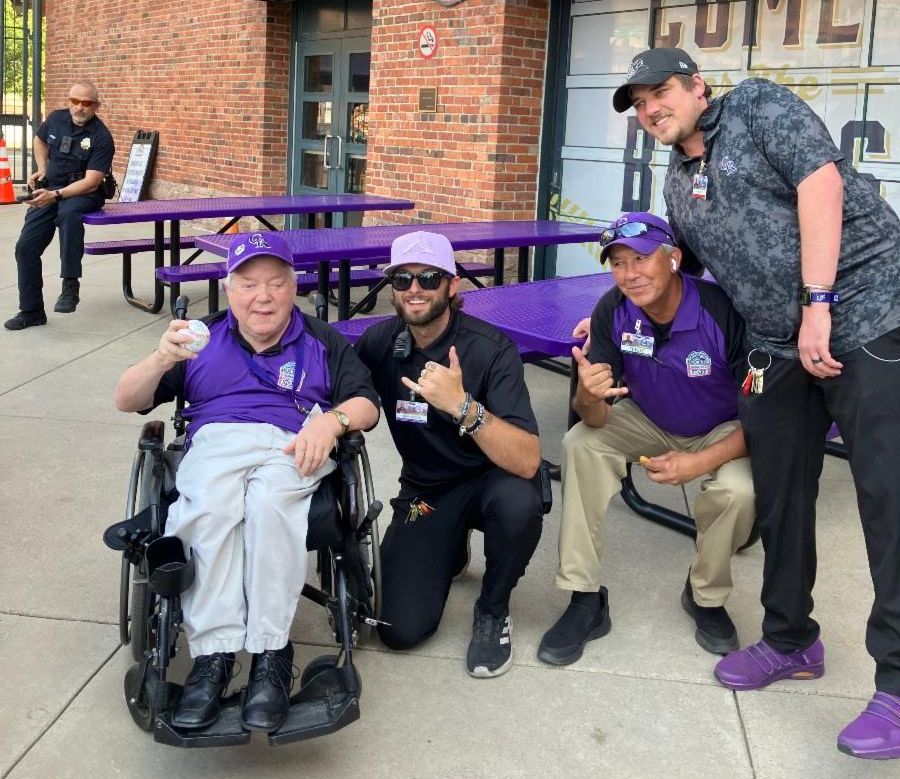
Steve front gate team taking a team pic at the Colorado Rockies stadium

September Newsletter: DDRC Community Connections

At DDRC, our mission is powered by the incredible stories of people we serve, the dedication of our staff, and the support of our community partners. This post brings you a round-up of the recent events, awards, and milestones that show how our comprehensive autism services and dedicated early intervention programs are helping to build a more inclusive and connected Colorado for everyone.

30 Years of Dedication: Steven’s Success with the Colorado Rockies

We’re celebrating Steven, who just marked his 30th year of employment with the Colorado Rockies Baseball Club! A quiet guy with a fun-loving streak, Steven has held several roles, most recently checking tickets and assisting with security at the ballpark. His dedication was recently honored on the field in a ceremony that included thunderous applause and a special tribute from his coworkers—a true testament to the power of inclusive employment. Steven’s success is supported by DDRC Employment Services, with our specialists assisting with everything from managing his uniform to safety planning. His incredible reliability and commitment show what’s possible when the right support is in place.

special needs adult who works for the CO Rockies on the field in Denver

A Home Run of Community Support

DDRC’s 33rd Annual Rockin’ the Fairways Golf Tournament was a smashing success, bringing our community together for a fun day that raised funds for our life-changing services. We’re also incredibly grateful to the volunteers from Marquis de Lafayette Masonic Lodge #41, who dedicated a Saturday to beautifying our Belmar Apartments. Their teamwork and energy saved us resources and brightened the lives of our residents.

Advocacy in Action: From Our Staff to Our Community

DDRC is proud to be a co-host of the 2025 Legislative BBQ, an event we spearheaded more than 25 years ago to help community members connect with elected officials and advocate for policies that impact our community. We’re also thrilled to announce that Mick Hill-Hunt, one of our Employment Specialists, was selected for the inaugural DSP Ambassador Program through a leading national advocacy organization. This opportunity will empower Mick to share his story on a national stage and highlight the vital role of Direct Support Professionals (DSPs) in our field.

Celebrating Compassion and Expertise

In honor of Direct Support Professionals (DSPs) Recognition Week, our Board issued a proclamation to recognize these dedicated individuals as the backbone of inclusive communities. We’re also celebrating our award-winning staff! DDRC was recognized by the Colorado Association of People Supporting Employment First (CoAPSE) with the Best Practice Award for an Organization, and our Technology Specialist, Erlen Marsh, received their Innovation Award for her transformative work. Finally, we want to give a warm congratulations to Madison Stacy and Board Member Ms. Fouse-Bishop, who were both nominated for the TRIAD Early Childhood Council Children’s Champion Award.

Connecting with Our Community

It was a joy to participate in the Jeffco Schools Back-to-School Bash, where we heard from families about the positive impact our services have had on their lives. We believe that building strong community connections is key to our mission.

A Commitment to Empowerment

Every story in this round-up—from Steven’s career milestone to our award-winning staff and community partnerships—is a testament to our ongoing commitment to empowering individuals with intellectual and developmental disabilities to live their best lives. Thank you for being a part of our journey.