
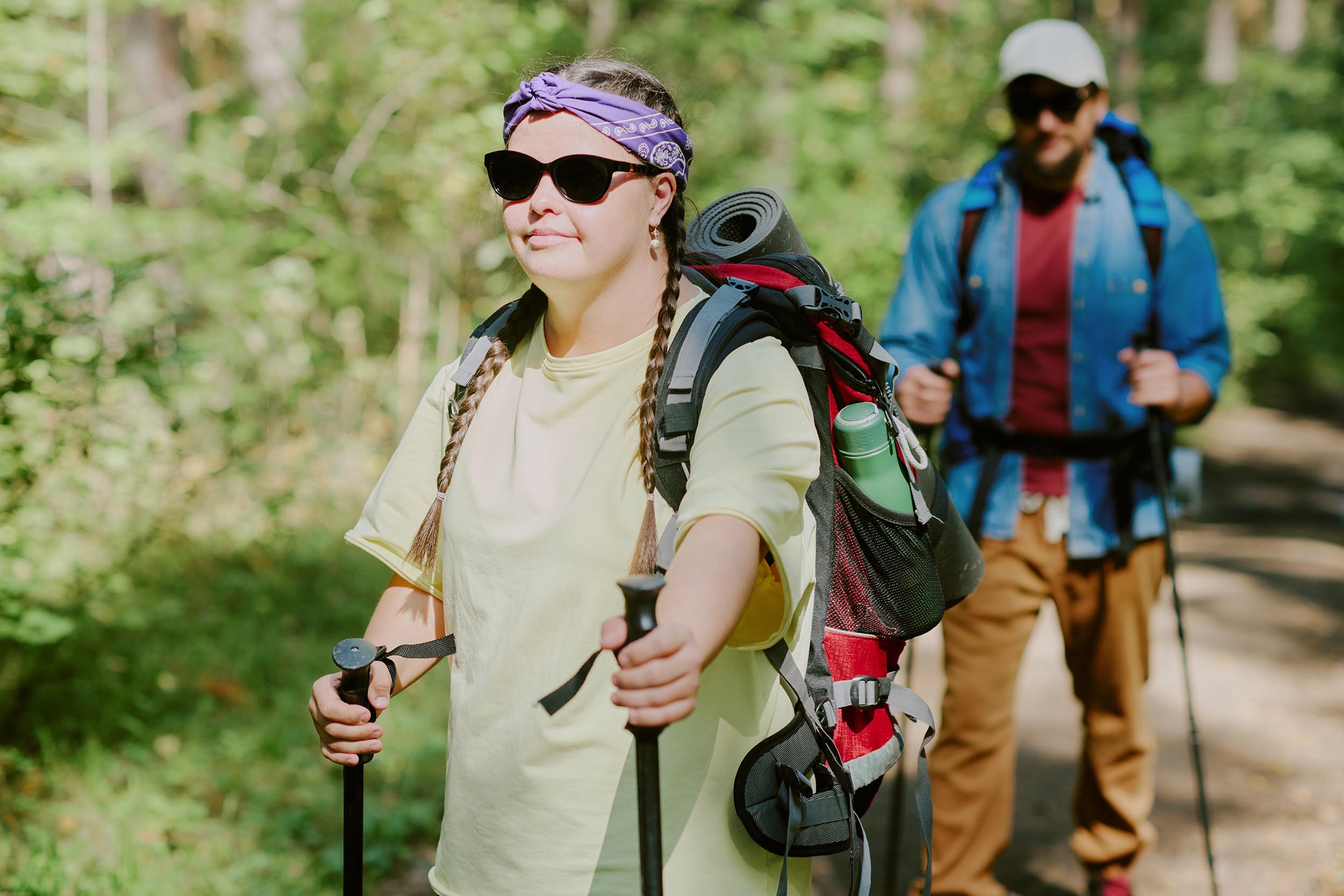
CO National and State Parks Accessible Activities: A Guide for the IDD Community
Colorado is famous for its outdoor playground, but for individuals with Intellectual and Developmental Disabilities (IDD), finding truly inclusive recreation can sometimes feel daunting. Fortunately, our state is a leader in adaptive outdoor opportunities. From specialized “track chairs” to sensory-friendly trails, you can find a wide variety of IDD accessible activities in Colorado’s National and State Parks that allow everyone to explore nature without barriers.
Why Accessible Activities Are So Important
Access to nature is more than just a fun day trip; it is a vital component of well-being. Outdoor recreation provides a unique combination of physical activity and sensory regulation that indoor environments simply cannot match.
For the IDD community, these accessible activities support:
- Physical Health: Hiking and outdoor movement improve balance, coordination, and cardiovascular health.
- Sensory Regulation: The natural world offers “gentle” sensory inputs—the sound of wind in the trees, the texture of pinecones, or the visual calm of a green meadow—which can be soothing rather than overstimulating.
- Social Inclusion: Parks provide a shared community space where individuals of all abilities can participate together, fostering a sense of belonging.
Did You Know?
Research on “green exercise”—physical activity in natural settings—shows that it can significantly reduce stress and anxiety while boosting self-esteem and mood. One study highlighted that for adults with learning disabilities, engaging with nature raised happiness and life satisfaction levels to match national averages.
3 Reasons that Colorado National and State Parks Make the Perfect Accessible Activity
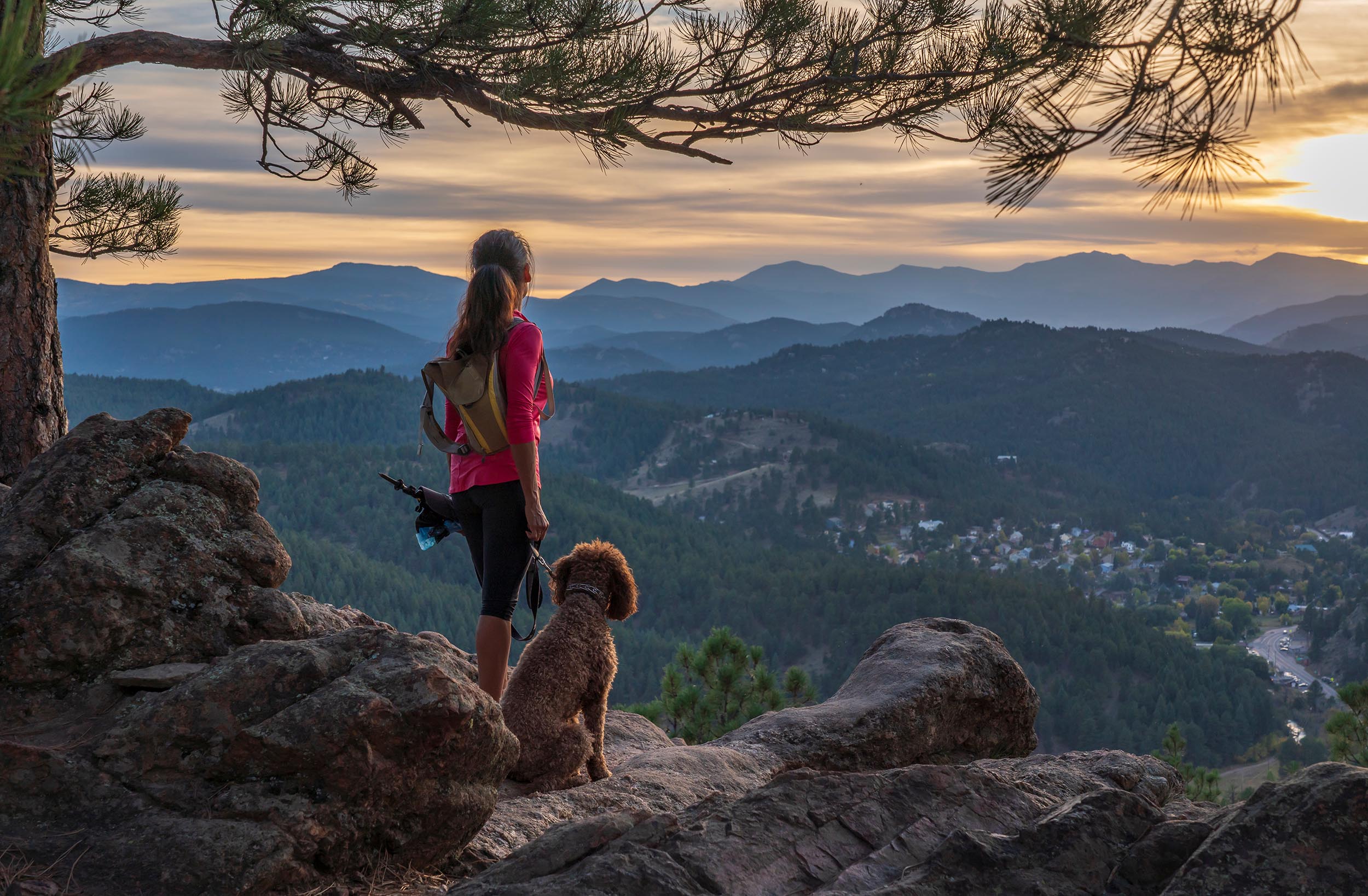
Colorado parks are uniquely suited for inclusive recreation. If you are looking for engaging accessible activities, here is why these parks are the perfect fit for your next outing:
1. Sensory-Friendly Environments
Unlike crowded city centers or loud entertainment venues, parks offer vast, open spaces that allow for self-regulation. The natural quiet of locations like Black Canyon or the rhythmic sounds of Medano Creek at the Sand Dunes can be incredibly therapeutic for individuals with sensory processing differences.
2. Structured Yet Flexible Exploration
National and State Parks offer well-marked trails and Visitor Centers, providing the structure and predictability that many individuals with IDD rely on. However, they also allow for flexibility—you can move at your own pace, take breaks whenever needed, and choose trails that match your energy levels for the day.
3. Specialized Adaptive Equipment
Many Colorado parks have gone beyond basic ADA compliance to offer proactive tools for inclusion. Features like the Track Chair programs (all-terrain motorized wheelchairs) and balloon-tire sand chairs ensure that rugged terrain doesn’t have to be a barrier.
Activities to Enjoy in Our National Parks
Colorado is home to four spectacular National Parks, each offering unique, inclusive recreation and adaptive resources. Whether you are looking for quiet wildlife viewing or a tactile, hands-on experience, these parks have something for everyone.
Rocky Mountain National Park (RMNP)
Known for its high-altitude peaks and wildlife, RMNP is surprisingly accessible if you know where to go.
- Sprague Lake Loop: This is a gold standard for accessible hiking. It is a completely flat, hard-packed gravel loop (0.9 miles) with incredible views of the Continental Divide. There are plenty of benches for resting, and the wide paths are perfect for wheelchairs or larger groups. Tip: Early mornings here are magical for seeing moose wading in the water.
- Bear Lake: While often crowded, the first section of this trail is hard-packed and accessible, allowing visitors to see one of the most famous alpine lakes in the world without navigating steep terrain.
- Lily Lake: A quieter alternative to Bear Lake. Located off Highway 7, this fully accessible 0.8-mile loop offers stunning views of Longs Peak with fewer crowds, making it a better choice for those who get overwhelmed by busy trailheads.
- Coyote Valley Trail: Located in the Kawuneeche Valley (west side), this trail is flat, paved/packed gravel, and perfect for a peaceful stroll through elk and moose territory.
- Scenic Drives: Trail Ridge Road allows visitors to experience the alpine tundra ecosystem from the safety and comfort of a vehicle—perfect for those with mobility challenges or sensory needs who want to see the “top of the world” without the physical exertion.
Great Sand Dunes National Park
Home to the tallest dunes in North America, this park offers a tactile sensory wonderland.
- Sand Wheelchairs: The park offers specialized wheelchairs with large balloon tires that float over the sand. They are available for free loan at the Visitor Center. Note: They have both adult and child sizes, but supplies are limited, so reserve yours by calling the Visitor Center in advance!
- Medano Creek: When the creek is flowing (usually late May to June), it creates a wide, shallow, and gentle water play area. The creek has a unique “surge flow” where waves gently pulse through the sand—an incredibly soothing rhythmic sensation for sensory seekers.
- International Dark Sky Park: If the daytime heat is too much, visit at night. The silence and darkness provide a low-stimulation environment perfect for stargazing.
Mesa Verde National Park
This park preserves the heritage of the Ancestral Pueblo people. While climbing ladders into cliff dwellings isn’t accessible for everyone, the history is still within reach.
- Mesa Top Loop Road: This 6-mile drive features paved, accessible trails leading to overlooks of the cliff dwellings and pithouses. You can see the famous Cliff Palace clearly from the overlooks without hiking down the canyon. Sensory Tip: Download the audio tour podcast before you go so you can listen to the history in the car between stops.
- Spruce Tree House Overlook: Located near the museum, this paved overlook offers a fantastic view of one of the best-preserved dwellings.
- Badger House Community (Wetherill Mesa): Open seasonally. This area is generally quieter than the main loops and features a paved/gravel trail that winds through ancient surface sites, offering a more secluded historical experience.
Black Canyon of the Gunnison
Famous for its steep, dark walls, the views here are dramatic and accessible.
- South Rim Overlooks: Tomichi Point, Chasm View, and Sunset View all feature accessible overlooks where you can peer safely into the canyon.
- Cedar Point Nature Trail: An easy, flat trail that leads to two overlooks with breathtaking views of the “Painted Wall” (the tallest cliff in Colorado). It includes interpretive signs describing the local plants, adding an educational component to the walk.
- Sensory Education: The South Rim Visitor Center often has tactile 3D maps and rock samples, allowing visitors to touch the “hardest rock” that shapes the canyon—great for tactile learners who want to understand the geology physically.
Inclusive Activities at CO State Parks
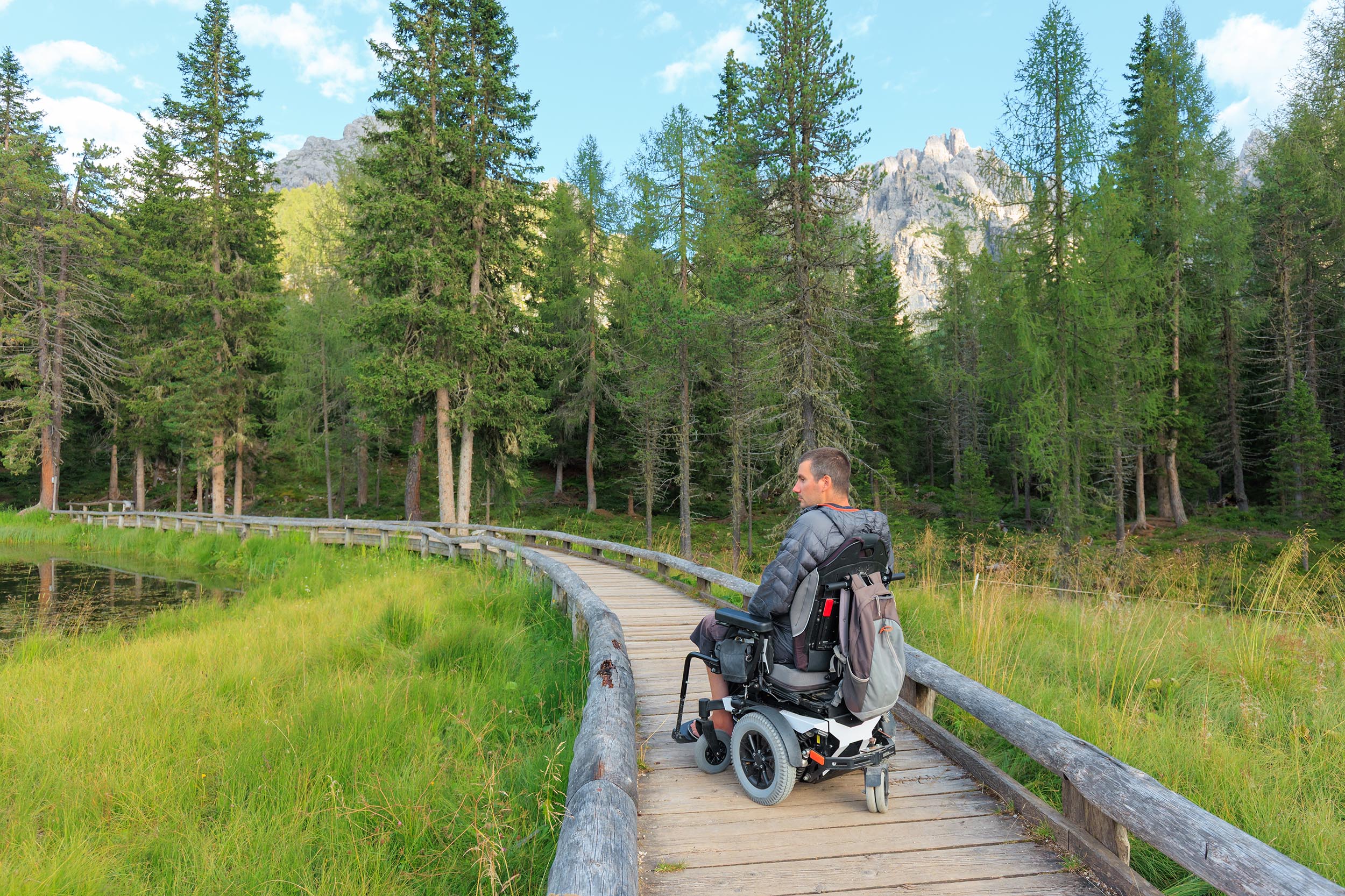
Colorado State Parks are leading the way with innovative accessibility programs, offering diverse accessible activities for every interest. Whether you want to “hike” a mountain or float on a reservoir, these parks have the gear to make it happen.
Staunton State Park: For the Alpine Explorer
Staunton is a pioneer in accessible hiking with its famous Track Chair Program.
- The Experience: Visitors can reserve “Action Track Chairs”—rugged, tank-treaded wheelchairs that can navigate rocky trails, snow, and steep inclines.
- Best Trail: The chairs allow access to high grassy meadows and the Davis Ponds Loop (2.15 miles). This area offers stunning views of Pikes Peak without the crowds of typical summits.
- Sensory Note: The meadows are quiet and expansive, providing a “low-demand” visual environment that is calming for many individuals with IDD.
- How to Join: Reservations are required. Visit the Staunton State Park website to book a chair in advance.
Cheyenne Mountain State Park: For the Independent Adventurer
Just south of Colorado Springs, this park offers a different kind of off-road freedom.
- Terrain Hoppers: Unlike the joystick-controlled track chairs, Cheyenne Mountain offers Terrain Hoppers. These are 4-wheel drive, off-road mobility vehicles that look like ATVs but are designed for accessibility. They offer a bit more speed and independence for those who can operate handlebars.
- Best Trail: The designated accessible trails wind through scrub oak and prairie, offering chances to see deer, turkeys, and prairie dogs up close.
- Reservations are essential and often fill up fast!
Barr Lake State Park: For the Wildlife Watcher
If a quiet day of observation is preferred over an adrenaline-filled hike, Barr Lake is the perfect destination.
- The Eagle Express: From mid-May through September, the park runs a motorized shuttle tour. It takes visitors to the eagle viewing areas that are otherwise too far to walk to, allowing everyone to see the nesting bald eagles.
- Gazebo Boardwalk: The Neidrach Nature Trail features a wooden boardwalk that extends out over the water to a gazebo. It is completely flat, wheelchair-friendly, and puts you right in the middle of the wetland ecosystem.
- Sensory Note: Birdwatching is a fantastic activity for developing focus and patience in a calming environment. The sound of water and bird calls is often less abrasive than city noise.
Ridgway State Park: For the Water Lover
Located near Montrose, Ridgway goes above and beyond for water accessibility.
- Lakefront Lending Locker: This unique program offers free adaptive equipment, including accessible paddleboards and floating swim chairs. This allows individuals with mobility challenges to actually get in and on the water, rather than just looking at it.
- Accessible Yurts: Camping can be tricky, but Ridgway offers two fully accessible yurts with paved paths, ramped entries, and accessible fire rings, making the “camping experience” comfortable and safe.
- Fishing: The park has three accessible fishing piers, including a beautiful spot on the Uncompahgre River.
Rifle Falls State Park: For Sensory Seekers
Sometimes you just want to see something spectacular without a long trek.
- The Waterfall Trail: A paved, accessible path leads directly to the base of the triple waterfall.
- Sensory Note: The “mist zone” at the bottom of the falls offers a unique tactile experience (cool mist on skin) combined with the “brown noise” of rushing water, which can be incredibly regulating for sensory systems.
Castlewood Canyon State Park: For Dramatic Views
- Canyon View Nature Trail: This 1.2-mile paved trail is specifically designed for accessibility. It runs along the rim of the canyon, offering dramatic cliff-side views that are usually reserved for advanced hikers. It’s a safe, flat way to feel like you are on the edge of the world.
Know Before You Go: Passes & Permits
To make these accessible activities even more accessible, take advantage of state and federal pass programs designed to reduce costs for individuals with disabilities.
- The “America the Beautiful” Access Pass (National Parks): This is a free, lifetime pass for U.S. citizens or permanent residents with a permanent disability. It provides free entry to over 2,000 federal recreation sites, including all National Parks. It also provides a 50% discount on some amenity fees, like camping.
- The Columbine Pass (Colorado State Parks): For Colorado residents with a total and permanent disability, the Columbine Pass offers a transferable annual pass for a significantly reduced rate ($14 per year). This pass is transferable between vehicles, meaning it covers the entrance fee for the pass holder and anyone in the same car.
Tips for Planning a Successful Outing
Proper preparation ensures that IDD accessible activities remain fun and stress-free. Here are a few tips to plan your trip:
- Download Offline Maps: Cell service is spotty in many parks. Download maps on apps like AllTrails and trails to your phone beforehand to maintain predictability and avoid getting lost.
- Pack a “Sensory Kit”: Even nature can be loud (thunder, rushing water). Pack noise-canceling headphones, sunglasses for high-altitude glare, and preferred fidgets to help with regulation during transitions.
- Time Your Visit: To avoid crowds and heat, try to arrive at trailheads before 9:00 AM or after 4:00 PM. This “golden hour” is often quieter and offers better chances of seeing wildlife.
- Check the “Lending Lockers”: Many State Parks now offer lending lockers with sensory items, backpacks, and adaptive gear. Call the visitor center ahead of time to see what is available to borrow for free.
Get Involved Today
Exploring our parks is just one way to build an inclusive community. At DDRC, we believe in opening doors to all aspects of life. If you are looking for more ways to engage, check out our inclusive volunteering opportunities for people with IDD to see how you can give back while connecting with others.
Ready to head outdoors? Which park will you visit first? Let us know on our social media channels!