
Community Gardening for Adults with IDD

Growing something takes patience, attention, and care. At DDRC, we think every adult deserves the chance to experience that. Our community gardening for adults with IDD gives participants the space to dig in, tend something over time, and see what they can make happen, with trained support and a program built around what each person is ready to take on.

Why Community Gardening Belongs in a Day Program
Gardens are patient teachers. For adults with intellectual and developmental disabilities, a garden offers a living, changing environment that responds directly to attention and care. You plant something, you water it, you come back the next week and check on it. The repetitive cycle of putting in effort and dedication on a consistent basis (oftentimes with a very fruitful result!) is exactly the kind of experience we want participants to have. DDRC’s community gardening for adults with IDD is part of our on-site day programming because it draws participants in, holds their attention, and gives them something to be proud of.
Our DDRC team plans and supports every session so participants can focus on the work and the experience itself. No prior gardening knowledge is needed, and every task can be adapted to the individual.
What the Research Says About Therapeutic Gardening
A 2020 study published in the CDC’s Preventing Chronic Disease journal found that community gardening participation was associated with the following for adult individuals with intellectual disabilities:

Reduced Stress

Improved Physical Activity

Better Emotional Wellbeing

Social Inclusion

Strengthened Personal Development

Enhanced Self-Efficacy
Participants in a structured therapeutic gardening day program build skills that carry into daily life, including attention, patience, follow-through, and the ability to work alongside other people toward something shared. What happens in the garden rarely stays there!
What Our Community Gardening Program Looks Like
DDRC’s community gardening sessions are part of the weekly rhythm of on-site programming at the Walters Day Program. Sessions are structured as accessible activities for participants across a range of abilities and support needs, with clear tasks and enough flexibility to follow the season and what the group is ready for.
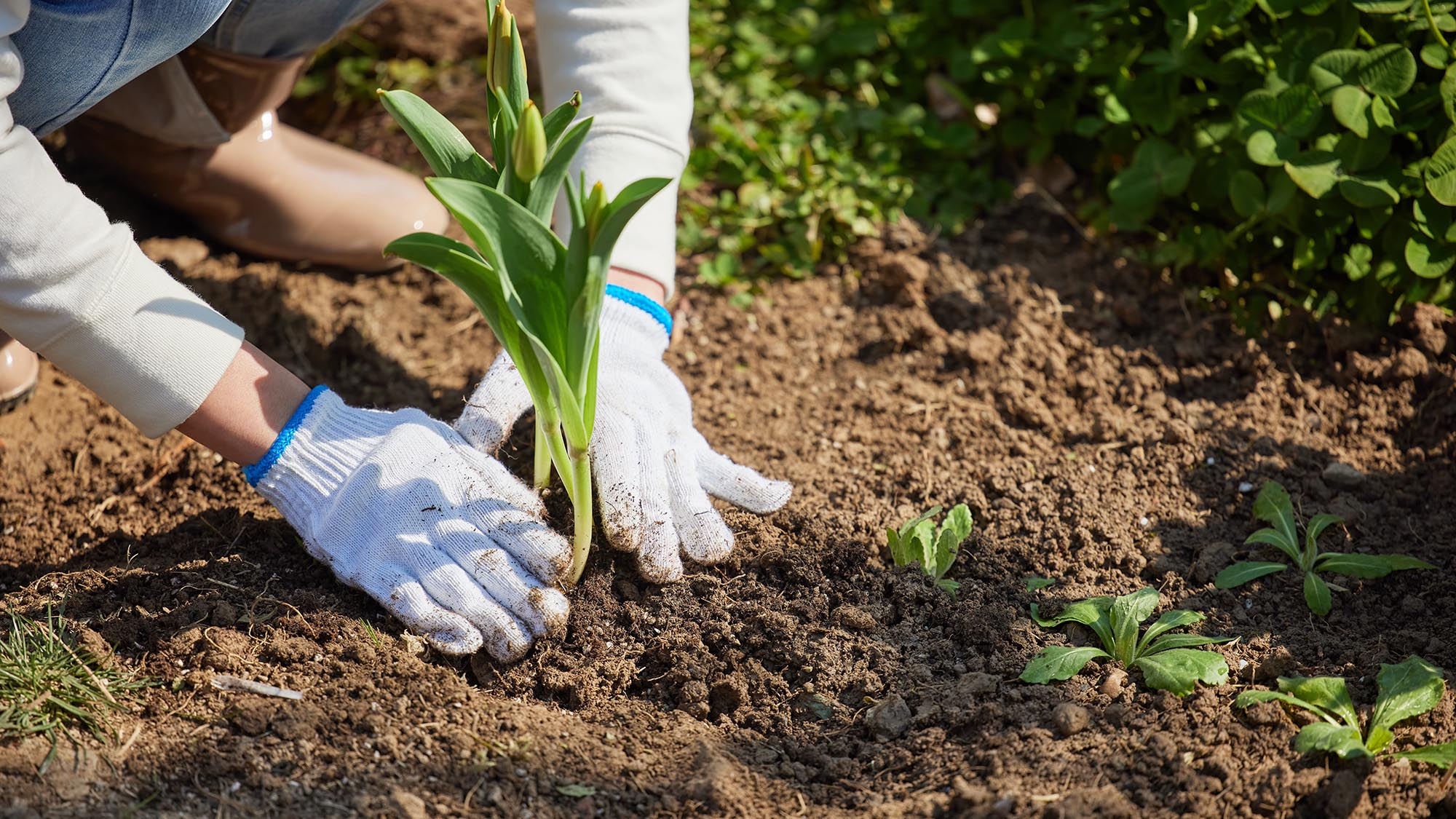
A typical session might include:
- Preparing soil beds and planting seeds or seedlings
- Watering, weeding, and monitoring plant health
- Harvesting vegetables, herbs, or flowers when the time comes
- Learning about what plants need at each stage of their growth
- Contributing to a shared garden space that the whole group tends together
- Exploring regional plant life and sensory exhibits through trips to local botanical spaces, including the Denver Botanic Gardens and community plant displays
The Benefits of Community Gardening for Adults with IDD
Community gardening for adults with IDD builds skills and habits that extend well beyond the raised beds. Here is what participants develop through consistent engagement with our structured recreational activities.

Fine Motor Skills
Planting, pruning, and harvesting all require careful hand movements that strengthen coordination over time.

Patience and Follow-Through
Tending plants over days and weeks teaches persistence in a way that few other activities can.

Sensory Engagement
Soil, texture, scent, and time outdoors provide rich sensory input that supports regulation and presence.

Scientific Curiosity
Watching seeds germinate and plants mature introduces participants to basic biology in a hands-on, observable way.

Social Participation
Working alongside others in a shared space creates low-pressure opportunities for conversation and cooperation.

Sense of Accomplishment
Harvesting something you planted and tended yourself produces a specific kind of satisfaction that carries into the rest of the day.

Responsibility
Plants depend on consistent care. Participants practice showing up, following through, and contributing to something that is counting on them.

Seasonal Variety
The garden changes throughout the year, keeping the program fresh and giving participants something new to observe across every season.

Pride in Progress
Over weeks and months, participants can see the direct result of their effort and attention.
Part of a Broader On-Site Program
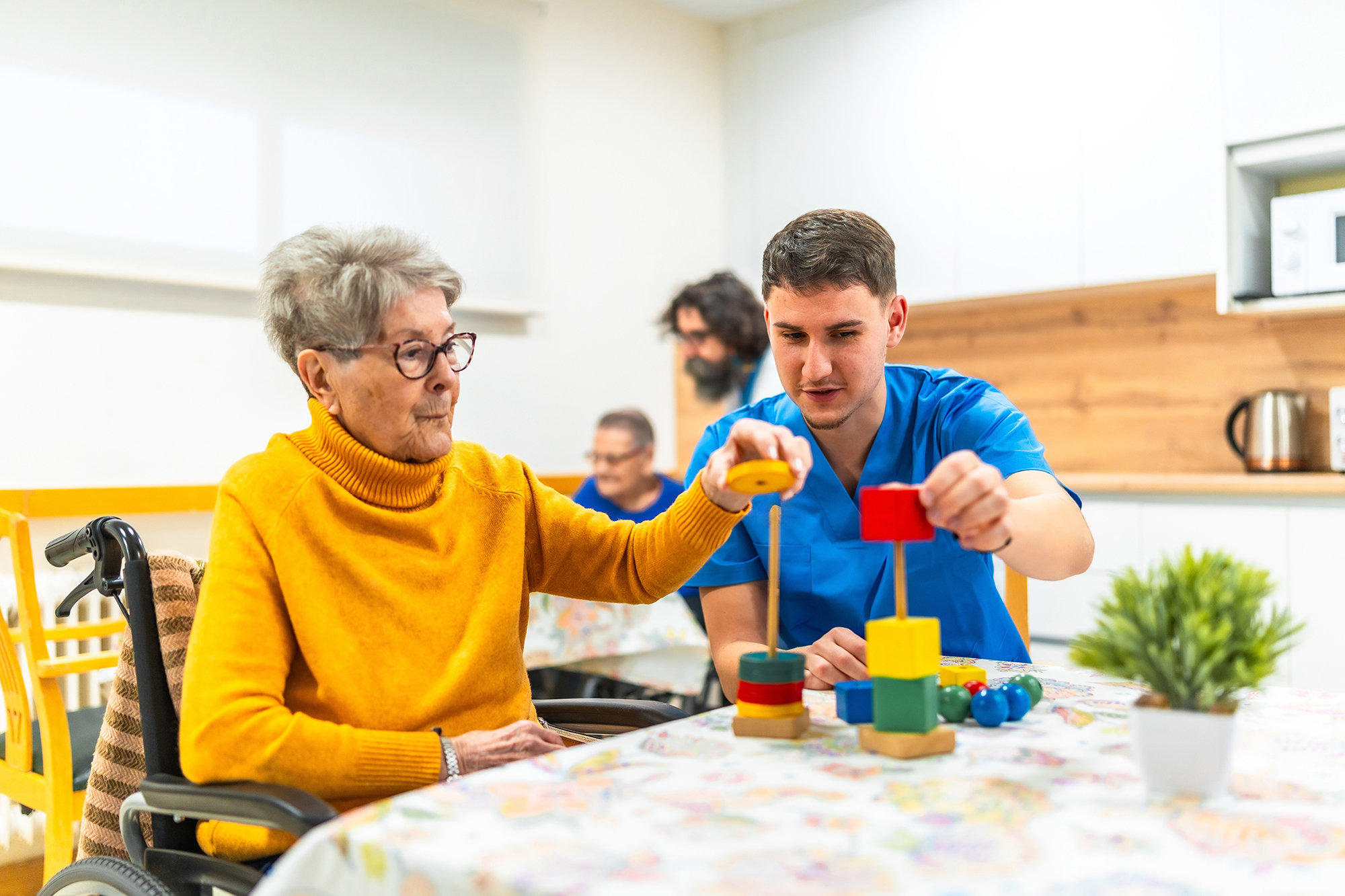
Community gardening for adults with IDD is one part of what makes DDRC’s on-site day programming distinctive. Alongside the garden, participants have access to a full range of accessible activities and skill-building experiences, from science and technology activities to cooking, art, fitness, and community outings, all within a structured, supportive environment.
The skills and habits built in our on-site programs often open doors to broader community involvement. DDRC partners with businesses across the community, from King Soopers to Denver Botanic Gardens and the Colorado Rockies, to create inclusive environments where participants can succeed.

All of our inclusive recreation programming comes back to the same goal: helping adults with intellectual and developmental disabilities build a life that is engaged, connected, and most importantly, their own.
If you are curious about what day-to-day programming looks like for your family member or the person you support, we are happy to help you find the right fit. Learn more about our day programs for adults with intellectual and developmental disabilities in the Jefferson County area below.
Ready to Grow?
DDRC’s community gardening program for adults with IDD is open to participants enrolled in our on-site day programs. Reach out to our team today to learn more or take the first step toward enrollment.