

Empowering Growth: Activities for Fostering Independence in Adults with Intellectual and Developmental Disabilities
Independence looks different for everyone. For one person, it might mean navigating the bus system to get to work; for another, it might mean choosing their own clothes or making a simple meal. Regardless of the scale, the goal is always the same: living the most autonomous, self-determined life possible.
For caregivers and family members, finding the right activities for fostering independence in adults with intellectual and developmental disabilities is key to unlocking this potential. It isn’t about throwing someone into the deep end; it is about building a scaffold of skills that supports them as they climb higher. In this guide, we will explore practical, engaging ways to build life skills, financial literacy, and community confidence.
Why Fostering Independence in Adults with Intellectual and Developmental Disabilities Matters
Fostering independence is about more than just reducing reliance on caregivers—it is a fundamental human right that directly impacts health and happiness.
When individuals with Intellectual and Developmental Disabilities (IDD) are given the tools to make their own choices and handle their own needs, their self-esteem skyrockets. It shifts the narrative from “I need help” to “I can do this.”
Did You Know? Research consistently shows a direct link between self-determination and quality of life. According to studies on self-determination theory, adults with disabilities who exercise more control over their daily choices report significantly higher levels of happiness, life satisfaction, and community participation compared to those with limited autonomy.
5 Types of Activities that Foster Independence in Adults with IDD
The best approach to building independence is breaking complex tasks down into manageable, repeatable activities. Here are five key areas to focus on, along with specific activities for fostering independence in adults with IDD.
1. Daily Living Skills: Independence Starts at Home

The home is the first training ground for autonomy. Mastering the environment where you sleep and eat provides a secure foundation for venturing out into the world.
1.1 Culinary Confidence
Cooking is a master skill—it involves planning, fine motor skills, safety awareness, and nutrition.
- The “No-Heat” Challenge: Start with recipes that require no stove, like making a sandwich or a salad. This builds confidence in food preparation without the immediate anxiety of heat safety.
- Visual Recipe Cards: Use step-by-step visual guides rather than text-heavy cookbooks.
- Adaptive Tools: Introduce jar openers, cut-resistant gloves, or rocker knives to make the physical act of cooking accessible.
- Get Professional Support: Sometimes, learning in a group setting is more fun. Check out our cooking classes for adults with IDD to see how peer support can turn meal prep into a social event.
1.2 Household Management
Maintaining a space creates a sense of ownership.
- Laundry Sorting Game: Turn laundry into a matching game. Sorting whites from colors or matching socks is an excellent activity for attentional control (or organization) and visual discrimination.
- The Visual Chore Chart: Use a Velcro chart where the individual can physically move a task from “To Do” to “Done.” The physical action of marking a task complete provides a dopamine hit that reinforces the habit.
2. Inclusive Recreation & Leisure
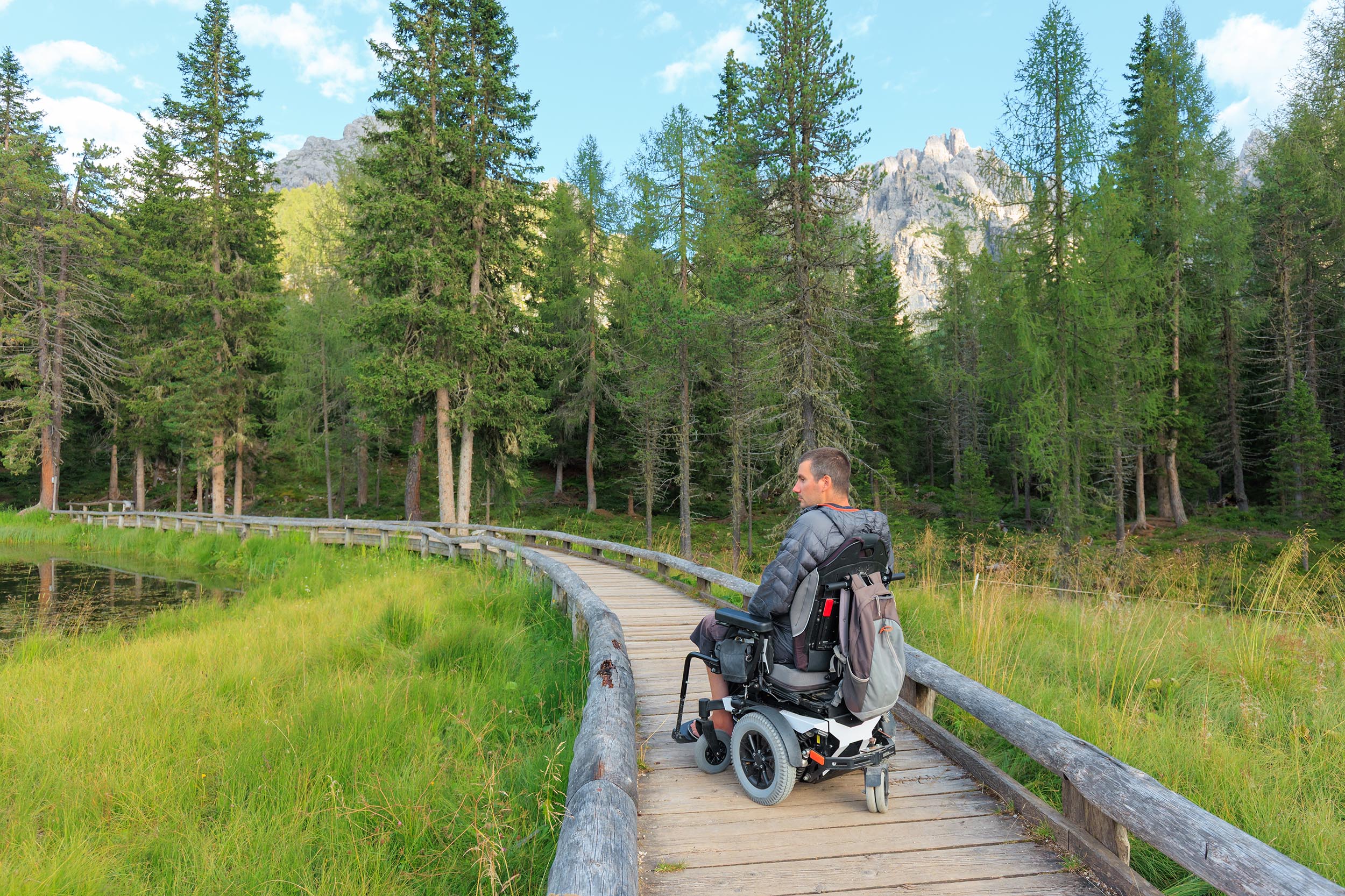
Leisure isn’t just about “killing time”; it is about building identity, mastering skills, and discovering personal passions.
2.1 Structured Outdoor Skills
Activities that require focus, patience, and fine motor coordination are incredible for building self-efficacy.
- Fly Fishing: This is a perfect example of a high-independence activity. It teaches patience, rhythm, and listening skills. Our recent outing with Boon Fly Fishing was a powerful testament to this—participants learned to cast lines, handle equipment, and engage with nature independently. The pride on a participant’s face when they master a cast is the very definition of independence.
- Colorado Parks as Classrooms: Colorado is uniquely suited for this growth. Many Colorado State Parks now offer inclusive activities and adaptive equipment, such as track chairs and accessible fishing piers. These resources ensure that our participants can move from a passive role (watching nature) to an active role (participating in it), proving that the outdoors belongs to everyone.
3. Community Integrated Activities

Being part of the community means knowing how to navigate it. Community integrated activities help bridge the gap between home and the outside world.
3.1 Travel Training & Navigation
Transportation is often the biggest barrier to employment and socialization.
- Route Scavenger Hunt: Pick a favorite destination, like a coffee shop or a park. Have the individual plan the route using a map or a ride-share app.
- The “Landmark” Game: While riding as a passenger, ask the individual to identify key landmarks (“Turn left at the big red sign”). This builds situational awareness, a critical skill for independent travel.
3.2 Grocery Shopping & Errand Running
Errands are complex tasks involving lists, navigation, and social interaction.
- The “List Challenge”: Provide a list of 5 specific items (with photos if needed) and the challenge to find the items in the aisles independently while building self-confidence.
- Self-Checkout Training: Practice using self-checkout lanes, which can be less socially demanding than face-to-face cashier interactions, allowing the individual to move at their own pace.
- Learn more about how our community-based services practice these skills in real-world settings.
4. Financial Literacy Activities
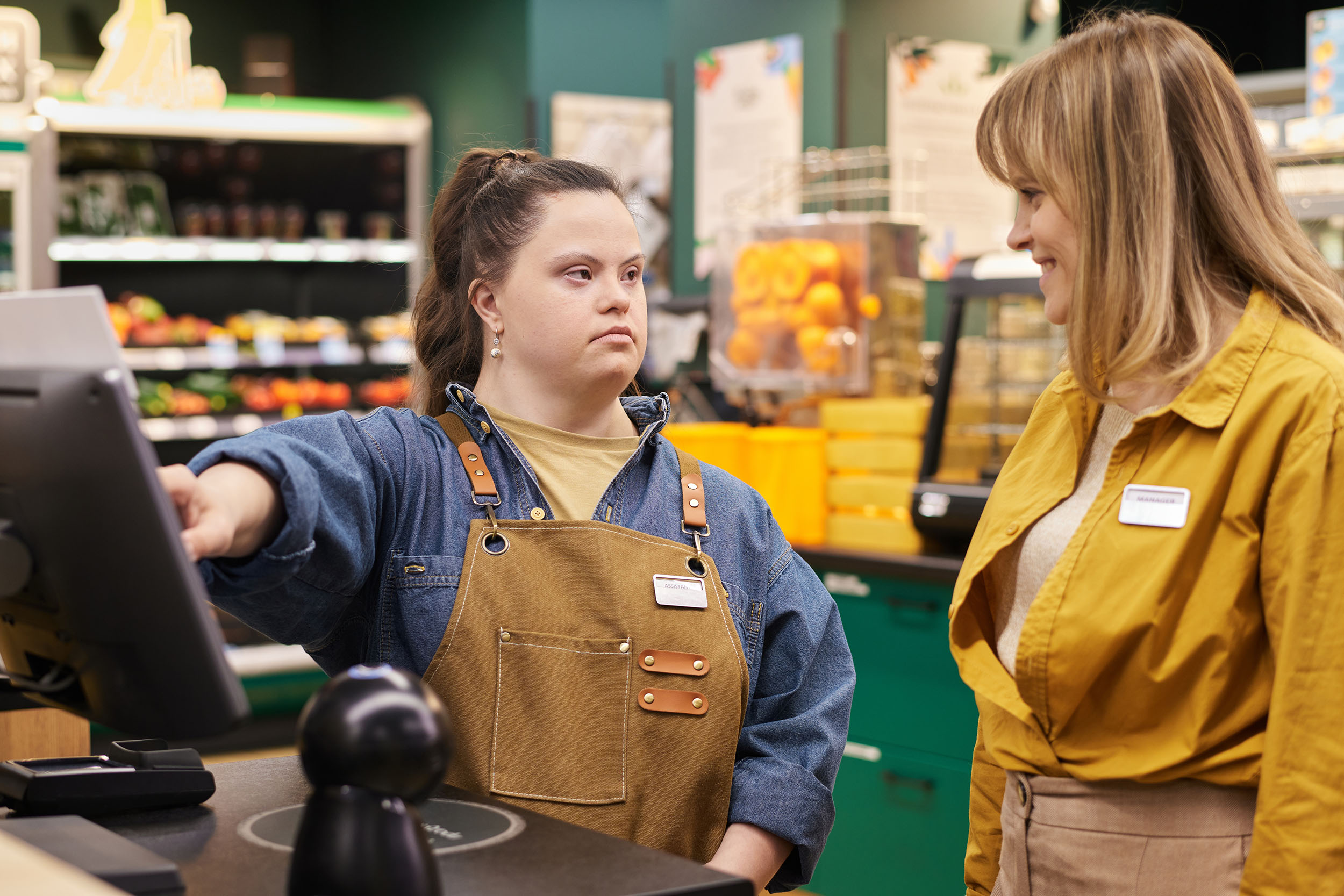
Money management is often cited as one of the hardest independent living skills for adults with disabilities to master, but it is essential for safety and freedom.
4.1 Budgeting Basics
Abstract numbers can be confusing, so make budgeting tangible.
- The Envelope Method: Use physical envelopes labeled “Rent,” “Fun,” and “Groceries.” Keeping score with the envelopes helps visualize where money goes.
- Needs vs. Wants: Create a collage activity using grocery store flyers. Cut out items and paste them into two columns: “Things I Need to Survive” and “Things I Want for Fun.”
4.2 The “Transaction” Game
Anxiety at the register can be daunting so practice at home first.
- Mock Store: Set up a “store” in the living room using pantry items. Practice the entire interaction: greeting the cashier, handing over money, waiting for change, and asking for a receipt.
- Counting: Practice the skill of “dollar up” (if an item costs $4.50, hand over $5.00) to simplify transactions.
5. Social Skills and Self-Advocacy

Independence isn’t just about doing tasks; it’s about advocating for your needs and interacting with others.
5.1 Role-Playing Scenarios
Social scripts can be a great tool for increasing independence with social interactions.
- “Ordering Out”: Role-play ordering a meal at a restaurant, including asking for modifications (e.g., “No onions, please”). This can also be modified to assist someone with role playing skills they want to learn to advocate for themselves in specific circumstances such as shopping, doctor visits or when trying to learn how to handle their own resources.
- Setting Boundaries: Practice saying “No” to a request from both known people and strangers as these are vital advocacy and safety skills.
5.2 Volunteering & Employment
There is no better way to learn responsibility than having a job or a volunteer role.
- Job Shadowing: Even a few hours of volunteering can teach punctuality, dress code, and teamwork.
- Meaningful Work: For those ready to enter the workforce, job coaching for adults with disabilities can provide the on-site support needed to transition to paid employment.
How DDRC Supports Independent Living
At the Developmental Disabilities Resource Center (DDRC), we believe that independence is a journey, not a destination. We offer a continuum of support designed to meet people where they are.
Our Independent Living Services are designed for individuals who live in their own homes or apartments but need intermittent support to maintain that lifestyle. We assist with:
- Navigating housing vouchers and leases.
- Mastering medical appointments and medication management.
- Building community connections.
For those seeking work, our employment support teams provide the training and advocacy needed to secure and keep meaningful jobs. We don’t just find you a job; we help you build a career that fosters true independence.
Find Activities to Foster Independence for Adults with IDD Today
Fostering independence requires patience, creativity, and the right support system. By integrating these activities for fostering independence in adults with developmental disabilities into your daily routine, you are doing more than teaching a skill—you are opening doors to a larger life.
Whether it is casting a fly-fishing line for the first time, landing a first job, or simply taking the bus to meet a friend, every step forward is a victory worth celebrating.
Ready to explore more options? Contact DDRC today to learn how our programs can support your journey toward independence.