

Everything to Know About Behavior Skills Training vs Social Skills Training for IDD
When seeking comprehensive support for an individual with Intellectual and Developmental Disabilities (IDD), families often encounter various therapeutic approaches. Two of the most effective, yet frequently confused, interventions are Behavior Skills Training (BST) vs Social Skills Training (SST).
While both are powerful tools used in behavioral health interventions, they target different outcomes and employ distinct methodologies. Understanding the nuances between these two techniques is essential for choosing the right path to long-term success, independence, and social integration. This guide breaks down the core differences of Behavior Skills Training vs Social Skills Training, the target goals, and how we utilize both at DDRC to support individuals across the lifespan.
What Exactly is Behavior Skills Training vs Social Skills Training?

The primary difference between Behavior Skills Training vs Social Skills Training lies in the nature of the skills taught: BST targets observable, discrete actions, while SST targets nuanced, reciprocal social competencies.
What is Behavior Skills Training (BST)?
Behavior Skills Training (BST) is a highly structured, four-step, evidence-based instructional method rooted in Applied Behavior Analysis (ABA) principles. Its primary focus is teaching complex, observable, and measurable behaviors that are essential for safety, independence, or skill generalization.
BST is focused on the How: It aims to teach an individual how to perform a specific action by demonstrating, guiding, and reinforcing the desired behavior until mastery is achieved.
The methodology is standardized and includes four critical components:
- Instruction: The therapist clearly explains the steps of the skill to the learner.
- Modeling: The therapist physically demonstrates the correct way to perform the skill.
- Rehearsal (Role-Play): The learner practices the skill in a controlled, safe environment.
- Feedback: The therapist provides immediate, specific, and constructive reinforcement or correction.
Example Skills Taught Using BST:
- Fire or weather safety procedures
- Appropriate job interview conduct or workplace etiquette
- Complex self-care and hygiene routines
- Functional communication skills (e.g., asking for help)
BST is essential for building the foundational skills needed for independent living, making it a cornerstone for both youth ABA therapy and ABA therapy for adults at DDRC.
What is Social Skills Training (SST)?
Social Skills Training (SST) is a broader therapeutic approach aimed at improving an individual’s ability to navigate and succeed in social interactions, understand social cues, and manage emotional responses in complex or ambiguous situations.
SST is focused on the When and Why: It helps the individual understand the context and purpose of social behaviors, emphasizing reciprocal interaction and relationship building.
Key Goals of SST:
- Improving conversation initiation, maintenance, and turn-taking.
- Understanding and responding appropriately to non-verbal communication (body language, tone of voice).
- Developing skills for emotional regulation during conflict or frustration.
- Improving perspective-taking and empathy.
SST is typically practiced in group settings or through simulated real-world scenarios to allow the individual to apply skills in a dynamic environment, fostering the flexibility needed for real-life social success.
Comparing Behavior Skills Training vs Social Skills Training
Having defined the core components of both interventions, it’s crucial to clarify how they differ in practice. While both are critical to an individual’s growth, they target success in distinct ways. The following table provides a side-by-side comparison of Behavior Skills Training vs Social Skills Training, detailing the intended goals, primary settings, and specific techniques utilized in each approach for individuals with IDD.
| Feature | Behavior Skills Training (BST) | Social Skills Training (SST) |
| Primary Goal | Teaching discrete, observable actions (Safety, Self-Care, Vocational Skills). | Teaching nuanced, relational competencies (Communication, Conflict Resolution, Peer Interaction). |
| Method | Direct instruction, modeling, intense practice, and immediate feedback (Four-step sequence). | Role-playing, group discussion, emotional identification, and perspective-taking exercises. |
| Skill Type | Motor Skills (How to tie a shoe), Safety Skills (How to call 911), and Procedural Skills. | Relational Skills (How to understand sarcasm), Emotional Management (Handling peer rejection). |
| Learning Setting | Often begins in a controlled, one-on-one, or highly supervised environment. | Primarily conducted in group settings or simulated social environments for generalization. |
| Example Target | Successfully following the steps of a recipe. | Successfully participating in a group conversation at a party. |
Are Both Behavior Skills Training vs Social Skills Training Important to IDD?
Yes, absolutely. For individuals with IDD, these two approaches are not mutually exclusive; they are often used in tandem to create a comprehensive and highly effective support system.
- BST creates the foundation: It ensures the individual has the concrete, foundational skills (e.g., clear communication, self-management) necessary to perform the social behavior. For example, BST might teach the skill of maintaining eye contact or shaking a hand.
- SST provides the context: It allows the individual to practice using those foundation skills in real-life, group interactions, teaching them when to use eye contact and how to adapt their greeting based on the social setting.
This integrated approach is crucial for promoting growth, independence, and community participation across all age groups. Whether the individual is preparing for high school transition or seeking vocational stability, a blend of Behavior Skills Training vs Social Skills Training provides the most robust path forward.
BST and Independence Across the Lifespan
For adults, the skills taught through BST directly translate to increased independence. Our programs for adults heavily utilize this approach to teach:
- Vocational Skills: Punctuality, task sequencing, and professional communication.
- Life Skills: Budgeting, meal preparation, and utilizing public transportation.
These skills are often required for successful independent living, housing, and vocational placements.
SST and Quality of Life
For youth and teens, proficiency in social skills is directly tied to mental health and quality of life. Our youth ABA therapy programs integrate SST to help clients:
- Build and maintain meaningful friendships.
- Resolve conflicts with peers and siblings appropriately.
- Reduce anxiety by improving the ability to predict and respond to social situations.
DDRC’s Integrated Approach to Behavioral Health
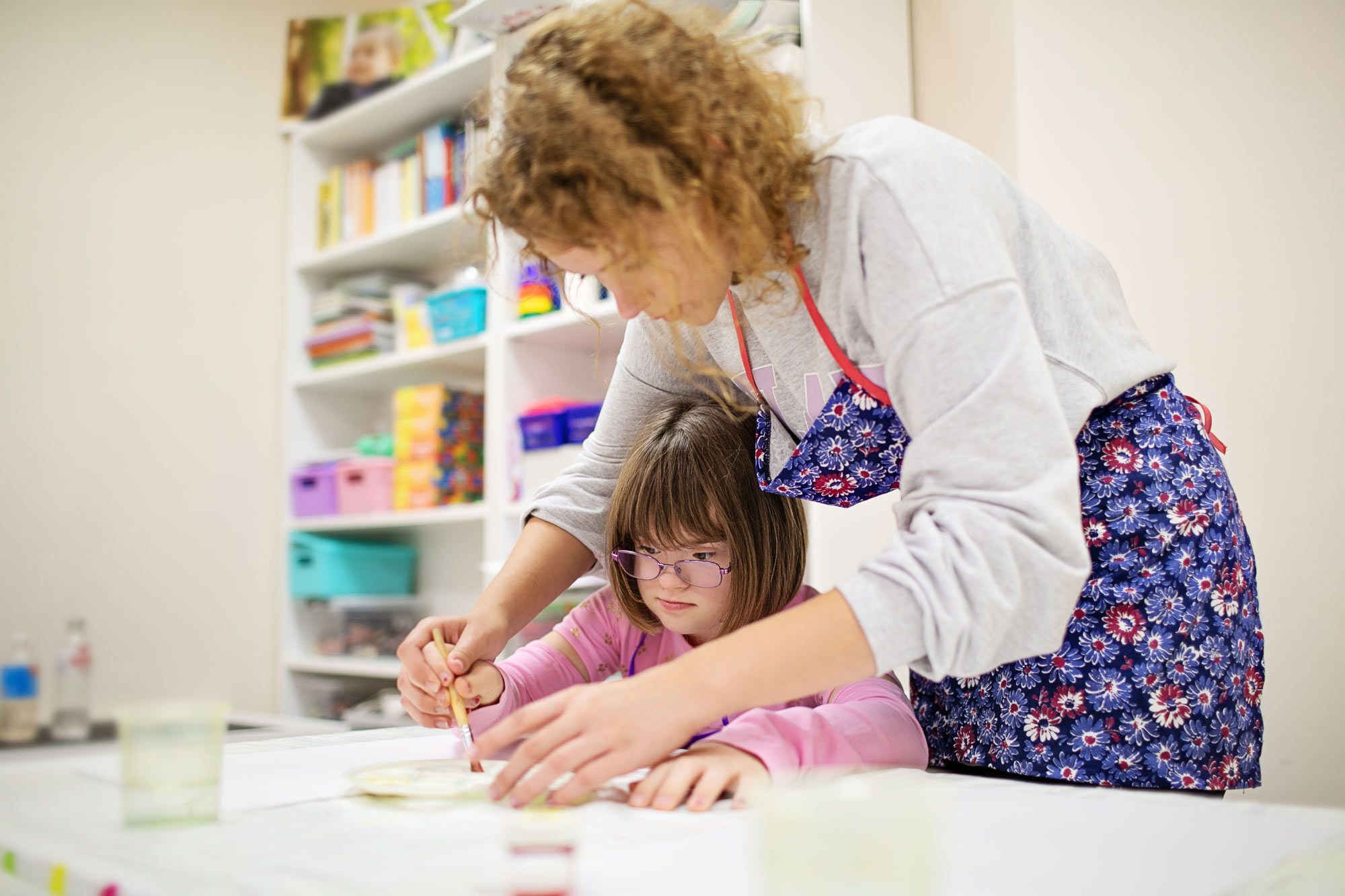
At DDRC, we recognize that support must be highly specialized. Our behavioral health interventions are never one-size-fits-all, and we approach the determination of Behavior Skills Training vs Social Skills Training needs through thorough, compassionate assessment.
Customized Training and Family Support
We perform comprehensive assessments to determine if the primary need is foundational skill acquisition (BST) or relational competency (SST). This allows us to tailor the frequency and intensity of instruction to the individual’s unique learning profile.
- Training Consistency: Effective behavioral support requires generalization—the ability to use a skill outside of the therapy room. That’s why we emphasize family caregiver support for people with autism in our programming. By training caregivers, we ensure consistency and reinforcement of skills at home and in the community.
- Collaborative Care: Our behavioral health specialists collaborate closely with our intellectual disability psychiatry team. This critical coordination ensures that all support—behavioral, social, and medical—is aligned, creating a cohesive and effective treatment plan.
By providing expertise across the full spectrum—from structured skill teaching to nuanced social guidance—DDRC ensures that every client receives a personalized and empowering path to success.
Finding the Right Support with DDRC
Whether your loved one requires highly structured Behavior Skills Training to achieve vocational independence or nuanced Social Skills Training to build lasting friendships, DDRC offers the integrated expertise you need.
We are committed to providing effective, evidence-based services that empower individuals with IDD to achieve their highest potential. Contact us today to discuss how our behavioral health interventions can create a personalized and comprehensive plan for success.